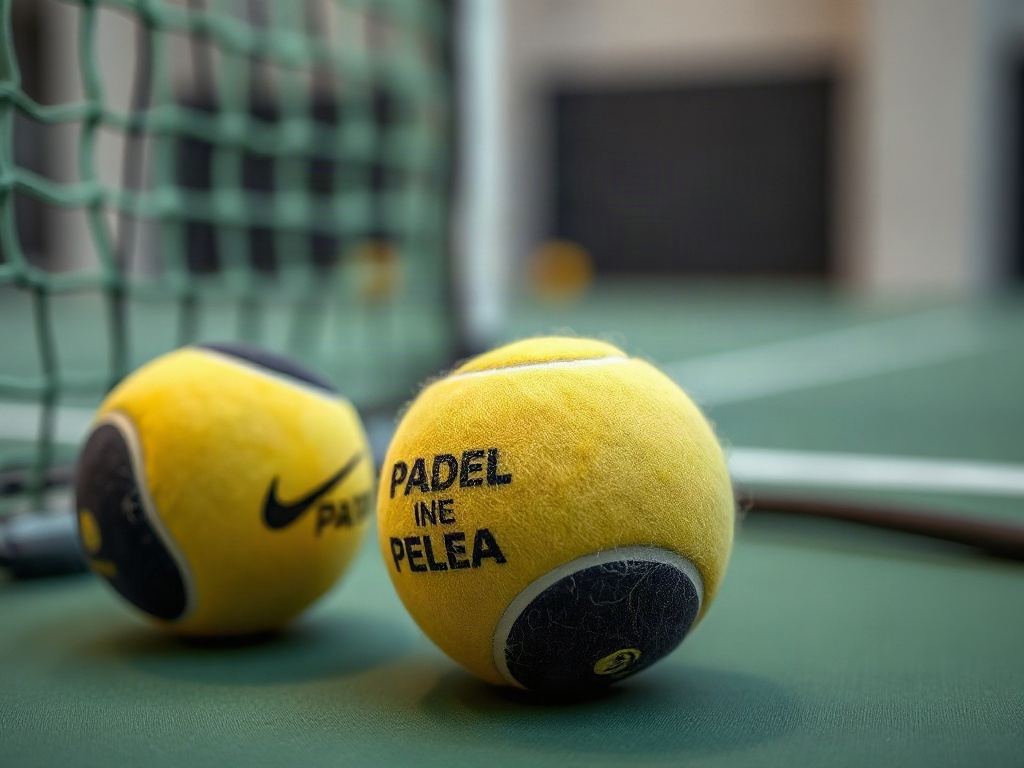

Padel balls may look simple, but their performance can change much faster than many players expect. A ball that still looks clean on the outside can already be losing pressure, feeling flat, or behaving unpredictably on court. That matters because padel is a game built on timing, control, and fast reactions, all of which depend on a ball that bounces properly and travels consistently. If you have ever wondered why rallies suddenly feel different from one session to the next, worn balls are often part of the answer. Knowing how long padel balls last helps you protect the quality of your matches and avoid playing with equipment that quietly works against you. It also helps you spend money more wisely by replacing balls only when the signs clearly show they are finished.
The lifespan of padel balls is not fixed, because several factors shape how quickly they lose their bounce and feel. Frequent play naturally wears them down, but storage conditions, court surface, and even playing style can shorten their useful life. Some players get many sessions from a set, while others notice a decline after only a few intense matches. That difference is why it helps to judge balls by performance rather than appearance alone. A good padel ball should feel lively, respond consistently, and keep rallies predictable. Once that changes, the ball may still be usable for warm-ups, but it is no longer ideal for serious play.
What affects the lifespan of padel balls?
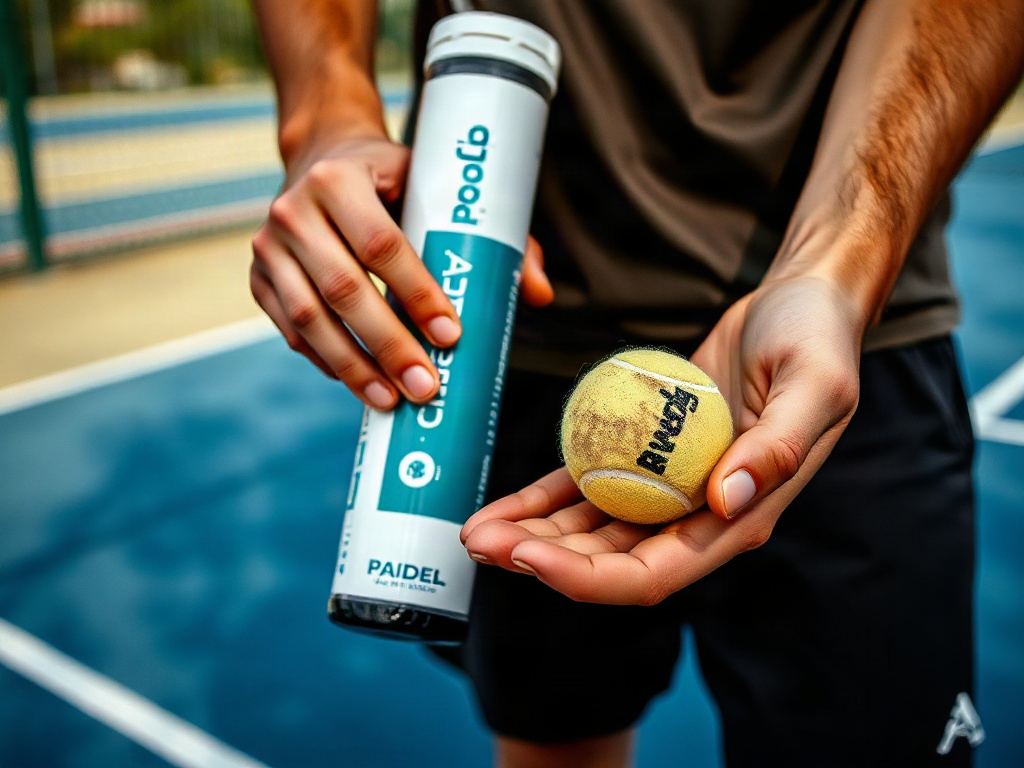
Padel balls wear out from both outside damage and internal pressure loss, and those two forms of deterioration often happen together. The felt slowly becomes thinner and rougher as the ball hits the court, the glass, and the racket over and over again. At the same time, the internal gas pressure drops, which makes the bounce lower and the contact feel softer. Even when a ball does not show obvious damage, the hidden pressure loss can make it feel dead. This is why two balls from the same tube may age differently depending on how they are used. Understanding these influences makes it easier to predict when replacement is due.
Playing frequency and match intensity
The more often you play, the faster padel balls will wear out. Long rallies, powerful smashes, and repeated high-speed impacts all compress the ball and stress the felt. Competitive matches tend to shorten lifespan more than casual practice because the ball is hit harder and used more aggressively. If you play several times a week, it is normal to replace balls much sooner than a recreational player would. Heavy use does not just reduce bounce; it also changes the way the ball feels off the racket face. That is why frequent players often need a stricter replacement routine.
Court surface and playing conditions
Court surface plays a bigger role than many people realize. Rougher or more abrasive surfaces can strip the felt faster, while damp or humid conditions may affect both grip and internal pressure retention. Outdoor courts also expose balls to temperature swings, which can make them feel different from session to session. Heat can speed up pressure loss, while moisture can make the felt heavy or inconsistent. Even a well-made ball will struggle if it is constantly exposed to harsh conditions. For that reason, where and how you play matters almost as much as how often you play.
Storage and care
Good storage can extend the useful life of padel balls, even if it cannot make them last forever. Keeping them in a cool, dry place helps preserve pressure and protects the felt from unnecessary damage. Leaving balls in a hot car, a damp bag, or direct sunlight can shorten their lifespan dramatically. Some players also use pressurized ball containers to slow down pressure loss between sessions. That extra care does not make old balls new again, but it can help them stay playable longer. In practice, proper storage is one of the easiest ways to protect value.
How long do padel balls usually last?
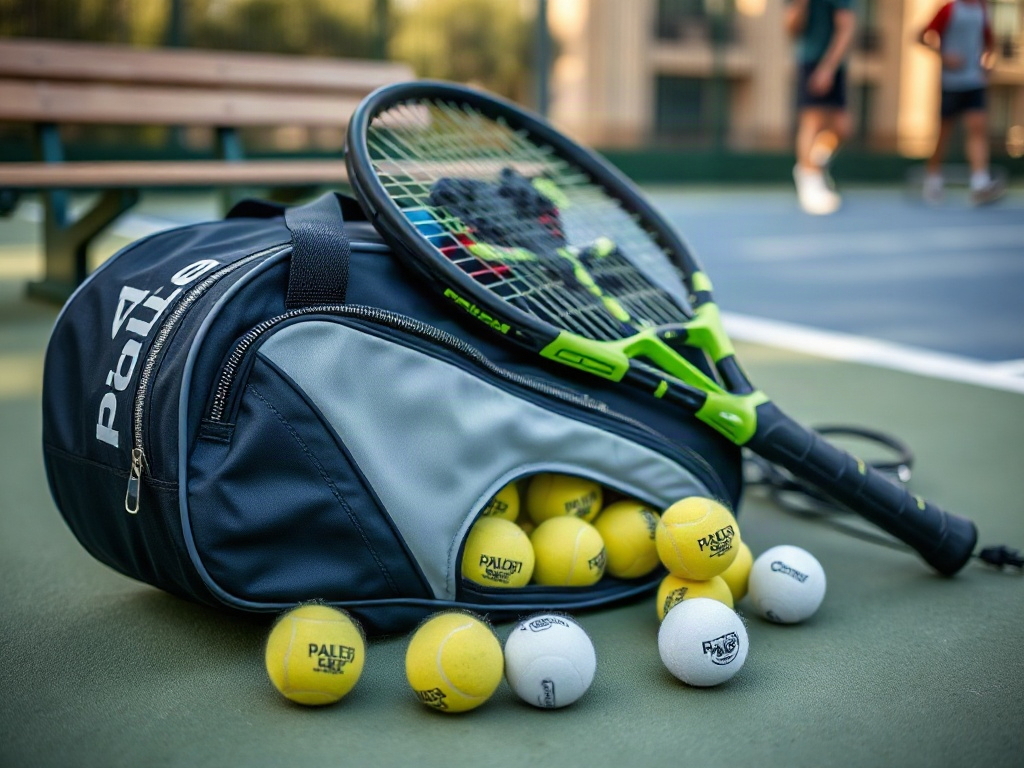
There is no single expiration date for padel balls, but most players notice a decline after only a limited number of sessions. A set used casually may remain acceptable for several games, while a set used in intense, frequent matches may lose quality much sooner. The key point is that “lasting” does not mean “performing well” for the same length of time. A ball may still roll and bounce in a loose sense while already being too flat for accurate play. For that reason, the best measure is not how old the ball is, but how it behaves on the court. Once bounce, speed, and control drift too far from normal, replacement becomes the better choice.
| Use type | Typical lifespan | What players usually notice |
|---|---|---|
| Casual play | Several sessions | Gradual softening, slight loss of bounce |
| Regular weekly play | A few matches | Less lively rebound, more inconsistent flight |
| Frequent or competitive play | Often replaced quickly | Dead feel, reduced speed, worn felt |
That table should be read as a practical guide rather than a strict rule. A ball used in hot weather on an abrasive court may wear out faster than expected, while a ball stored carefully and used lightly may hold up a bit longer. The important thing is to watch for performance change, not just age. Players who want consistent rallies should think of padel balls as consumables with a limited window of top performance. If the ball no longer supports the style of play you want, it has already reached the end of its useful life. Consistency is usually the clearest signal of all.
Signs it is time to replace padel balls
Most padel balls do not fail suddenly; they fade gradually, and that slow decline can be easy to ignore. The more you play, the more familiar you become with the difference between a lively ball and a tired one. Many players keep using worn balls because they still appear intact, but visual condition alone can be misleading. A ball can look almost new and still bounce poorly. For that reason, it helps to check both how the ball looks and how it performs. The following signs are the most reliable clues that replacement is due.
- Reduced bounce: The ball no longer returns with the same height or energy off the court.
- Soft or dead feel: Impact feels dull, heavy, or unusually muted on contact.
- Visible felt wear: The surface becomes thin, fuzzy, frayed, or patchy.
- Unstable flight: The ball moves less predictably through the air and off the glass.
- Inconsistent rallies: Shot timing starts to feel off because the ball no longer behaves reliably.
Reduced bounce is usually the first thing players notice, especially during warm-ups or simple rally exchanges. A ball that fails to rebound properly can make serves, returns, and defensive shots harder to control. The dead feel often follows soon after, and it tends to affect confidence as much as mechanics. When the ball no longer gives clear feedback, players naturally start adjusting their swings in ways that are not ideal. That can make the match feel less clean and less enjoyable overall. If more than one of these signs appears at the same time, replacement is usually overdue.
A quick check before play can save you from using balls that are already too worn. Drop the ball from a consistent height and compare its rebound to another ball you know is fresh. Roll it lightly across the court and notice whether it seems to “sit” too much or travel unevenly. You can also feel for surface changes by squeezing the ball gently and listening to how lively it sounds when bounced. These small checks are not scientific, but they are practical and fast. Over time, they help you build a better sense of when a set should be retired.
How to make padel balls last longer
Padel balls are always going to be replaceable items, but smarter habits can extend their best phase. The goal is not to make them last forever, because that is unrealistic, but to slow down unnecessary wear. Simple routines can preserve bounce, keep the felt in better shape, and reduce avoidable pressure loss. Many players lose usable life not because they play too much, but because they store or handle balls carelessly. If you want better value from each tube, a few small habits make a real difference. The good news is that these habits are easy to adopt and do not require special equipment.
- Store balls in a cool, dry place away from heat and moisture.
- Keep them in their original tube or a pressurized container when possible.
- Use newer balls for matches and older ones for training or warm-ups.
- Avoid leaving balls in direct sunlight or inside a hot vehicle.
- Inspect the set regularly so worn balls are removed before they affect play.
These habits work best when they become part of your normal routine. For example, separating practice balls from match balls helps you preserve your best set for important games. Likewise, storing balls properly after every session reduces the damage caused by heat and humidity. Even small improvements in care can add extra playable time, especially for players who do not go through tubes very quickly. If you are disciplined about storage, you may notice less variation between sessions. That consistency is valuable because it keeps your game closer to the standard you expect.
Should you replace all balls at once?
In many cases, replacing the full set is the best choice. Mixed-condition balls can produce uneven bounce and different levels of feel within the same rally, which is distracting and unfair to both players. If one ball is noticeably fresher than the others, it can change the rhythm of the game in subtle but important ways. That difference matters more in competitive play, where consistency is part of performance. For practice sessions, mixed-condition balls may be acceptable, but they are less ideal when precision matters. The simplest rule is that if the set no longer feels uniform, it is time for a new one.
How to judge value rather than just age
Some players try to get the maximum number of sessions out of every tube, but that approach can cost more in performance than it saves in money. A ball that is still technically usable may be poor value if it makes play less accurate or less enjoyable. On the other hand, replacing balls too early can waste money if they still have plenty of life left. The best decision is usually based on a combination of bounce, feel, and visible wear. If you pay attention to those signs, you can replace balls at the point where performance begins to slip rather than after it has already become a problem. That is the balance most serious players try to strike.
Итог
Padel balls last only as long as their bounce, pressure, and surface quality remain good enough to support consistent play. Their lifespan depends on how often you use them, where you play, and how well you store them between sessions. Once they begin to feel dead, bounce too low, or fly unpredictably, it is time to move on to a fresh set. Watching for those signs is more useful than relying on age alone, because ball wear rarely follows a perfect schedule. With the right habits, you can stretch their useful life a little longer without sacrificing game quality. In the end, replacing padel balls at the right time is one of the easiest ways to keep every match feeling sharper and more enjoyable.
Часто задаваемые вопросы
- How can I tell if my padel balls are still good?
Check the bounce, the feel on contact, and the condition of the felt. If the ball feels flat, soft, or inconsistent, it is probably time to replace it. - Do padel balls last longer than tennis balls?
Not necessarily. Both types of balls lose pressure and wear out with use, but the exact lifespan depends on play frequency, storage, and court conditions. - Can I still use old padel balls for practice?
Yes, older balls are often fine for warm-ups, drills, and casual training. They are just less suitable for competitive matches where consistent bounce matters. - What is the best way to store padel balls?
Keep them in a cool, dry place and avoid heat, moisture, and direct sunlight. Storing them in the original tube or a pressurized container can help preserve performance longer. - How often should regular players replace padel balls?
It depends on how much they play, but regular players usually replace them once the bounce and feel start to drop noticeably rather than waiting for visible damage.

 Christopher Martin