
Padel overgrips may look like a small accessory, but they shape how the racket feels in your hand more than many players realize. A well-chosen overgrip can sharpen control, soften impact, and help you stay confident during long rallies, even when the pace climbs and the pressure rises. The difference between a grip that feels reliable and one that feels awkward often comes down to a few millimeters of thickness and the way the surface handles moisture. If you sweat a lot, play in humid conditions, or simply prefer a more secure connection to the racket, the overgrip becomes part of your performance rather than just a wrap on the handle. It influences comfort, touch, and stability all at once, which is why players at every level keep testing new options. Understanding how thickness, sweat absorption, and replacement timing work together makes choosing the right overgrip far less of a guessing game.
Many players focus on racket shape, weight, and balance, yet the handle is the point where all those characteristics meet your body. That is where an overgrip earns its value, because it can subtly change how the racket sits in the palm and how firmly you can hold it during fast exchanges. A thin, tacky model may improve precision, while a thicker or more absorbent one may feel safer in hot conditions. Neither choice is universally better, because your hand size, sweat level, and playing style matter just as much as the product itself. This is also why replacement habits matter: even a premium overgrip loses performance once it becomes slick, compressed, or visibly worn. The right approach is not about finding one perfect grip forever, but about learning what your hand and game actually need.
What a Padel Overgrip Is and Why Players Use It
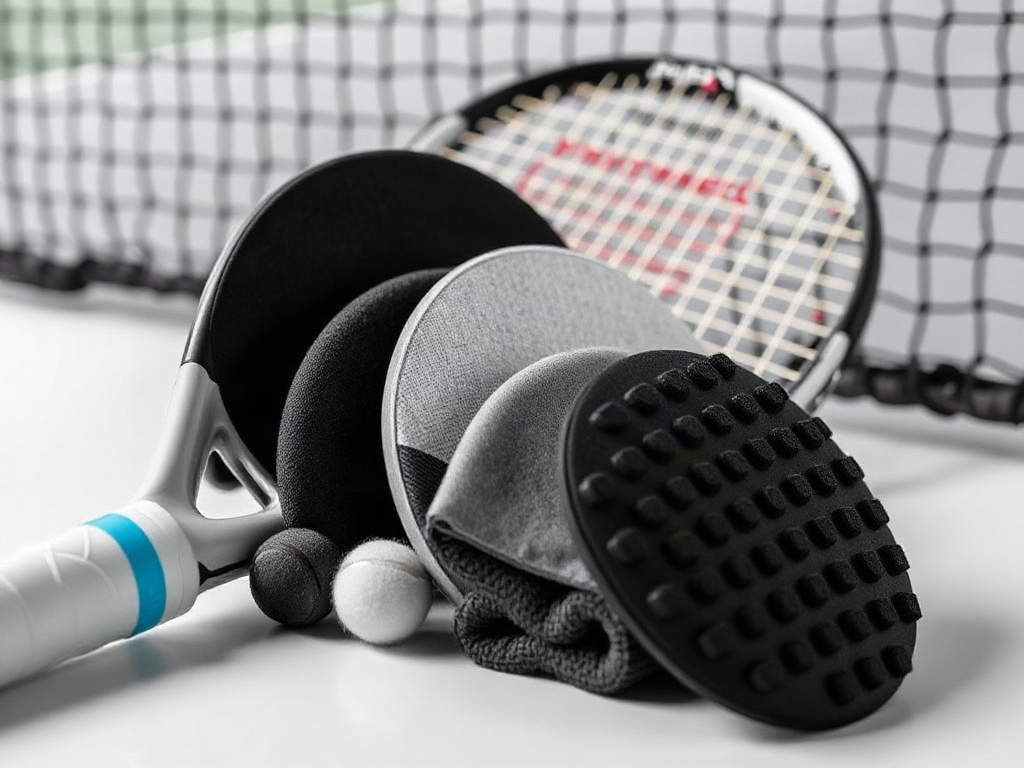
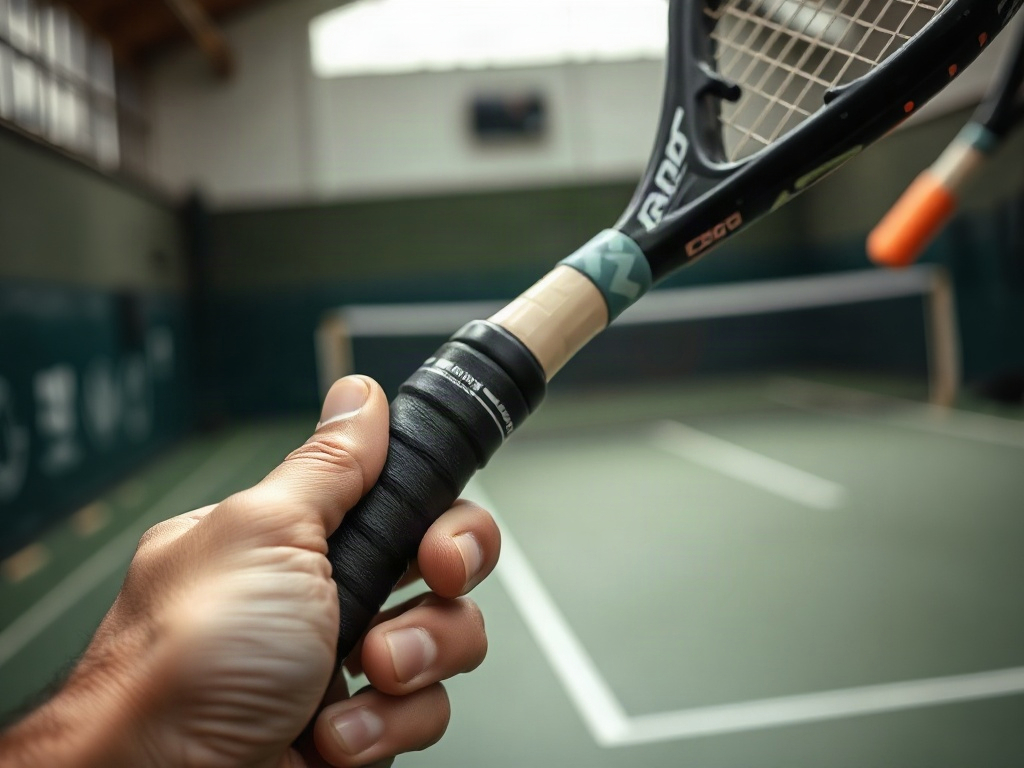
A padel overgrip is an extra layer wrapped over the racket’s original grip to improve handling, comfort, and moisture control. Unlike the base grip, which is installed by the manufacturer and forms the foundation of the handle, the overgrip is meant to be replaced regularly. Its job is to fine-tune the feel of the racket without forcing you to change the racket itself. Players often use one overgrip for a subtle change, or several layers when they want a noticeably larger handle. Because it is inexpensive and easy to swap, it is one of the most practical ways to personalize a padel racket. In many cases, it is also the fastest way to restore a worn handle to a playable condition.
The real value of an overgrip is that it bridges comfort and performance. A clean, fresh wrap can reduce slippage and make gripping the racket feel more natural during serves, volleys, and overhead shots. It can also reduce the sense of strain in the hand, especially during longer sessions where friction and sweat become more noticeable. Some players choose overgrips for a dry, secure feel, while others prioritize cushioning or a more padded sensation. The right choice depends on whether you want your racket to feel thinner, softer, stickier, or more absorbent. Once you understand those priorities, selecting a grip becomes much more intentional.
An overgrip does more than simply cover the handle, because it changes how the racket interacts with your hand in several practical ways. It can improve traction when your palm becomes sweaty, and it can also create a softer layer that makes repeated contact feel less harsh. For players who struggle with tension in the fingers, a comfortable wrap can help maintain a looser and more efficient hold. It may also help prevent small grip adjustments during play, which matters when you need fast reactions and consistent racket face control. Although the changes are subtle, they are often enough to make the racket feel more trustworthy in competitive situations. That trust can affect both confidence and shot execution.
- Improves grip security during intense rallies and humid conditions.
- Enhances comfort by adding cushioning between the hand and the handle.
- Helps manage sweat so the racket stays more stable in play.
- Allows players to adjust the handle size without changing the racket.
How Thickness Changes the Feel of the Racket

Thickness is one of the most important characteristics of an overgrip because it directly affects the size and shape of the handle in your hand. A thinner grip tends to preserve more of the original racket feel, which can be useful for players who want maximum feedback and fast maneuverability. A thicker option can make the handle feel fuller, softer, and more cushioned, which many players appreciate during long matches. Even a slight change in thickness can alter how tightly you hold the racket and how easily you release the ball on contact. Because grip size influences comfort and precision at the same time, thickness should be chosen with care. It is a small detail with a surprisingly large impact on playability.
Players with smaller hands often prefer a thinner setup because it gives them more direct contact with the handle and makes wrist movement feel freer. Players with larger hands may want a thicker layer so the racket fills the palm better and feels less cramped. However, the relationship is not absolute, because some players with big hands still prefer a slim, precise grip, while some players with smaller hands want more cushioning. Technique also matters, since those who rely on quick wrist action may not want a handle that feels too bulky. If you add too much thickness, the racket can feel less responsive; if you go too thin, it may feel unstable or harsh. The best result usually comes from testing and adjusting rather than assuming one size fits all.
Hand size is a useful starting point, but it should be treated as guidance rather than a strict rule. If your fingers wrap fully and comfortably around the handle with a slight gap between fingertips and palm, the size is usually close to ideal. If the grip feels too narrow, you may squeeze harder than necessary, which can lead to fatigue and reduced touch. If it feels too thick, you may lose sensitivity and have trouble changing grip position quickly. Many players solve this by starting with a single overgrip and then adding another if needed after a few sessions. This method is simple, practical, and much easier than buying new equipment blindly. It also lets you feel the difference in real playing conditions instead of relying on theory alone.
| Overgrip Type | Feel | Best For | Main Trade-Off |
|---|---|---|---|
| Thin overgrip | More direct, precise, and close to the original handle | Players who want control and fast feedback | Less cushioning and slightly less comfort |
| Standard overgrip | Balanced mix of comfort and feel | Most all-around players | May not strongly solve sweat or thickness issues |
| Thick overgrip | Soft, fuller, and more cushioned | Players who want a larger handle or extra comfort | Can reduce precision and quick wrist feel |
Why Sweat Absorption Matters So Much in Padel
Sweat is one of the biggest reasons players replace overgrips, because moisture changes the way the handle behaves almost immediately. When a grip becomes damp, it can start to slip in the palm, forcing you to hold tighter than normal and making fluid swings harder to maintain. This creates a chain reaction: more tension in the hand, less relaxation in the arm, and often less consistency in shot execution. In a sport like padel, where reaction time and touch are essential, even a small loss of traction can affect confidence. That is why sweat absorption is not just a comfort issue, but a performance issue as well. The best overgrip for sweaty hands is the one that keeps the handle predictable from the first game to the last.
Different overgrips handle moisture differently, and that is where players should pay close attention to feel rather than only brand claims. Some grips are designed to feel dry and highly absorbent, which is useful for hot weather or players who perspire heavily. Others are tackier and provide a slightly sticky sensation, which can feel secure when new but may lose effectiveness as moisture builds. Perforated models can help move sweat away more efficiently, while non-perforated versions may offer a smoother and slightly softer feel. There is no single best option for everyone, because conditions vary from indoor courts to outdoor summer matches. What works beautifully in a cool environment may feel inadequate during a long, humid afternoon.
Players with sweaty hands often benefit from overgrips that prioritize absorption over long-term tackiness. A more absorbent model can hold moisture better and keep the surface feeling usable for longer, which helps reduce mid-match slippage. Perforated grips are often chosen because the small holes can improve moisture management and keep the surface feeling a bit drier. Some players also prefer towel-style solutions or extra-dry grips when conditions are extremely humid, especially during outdoor competition. The challenge is that the most absorbent grip is not always the most durable, so replacement frequency becomes important. In other words, the best moisture-management strategy usually combines the right grip type with timely replacement.
- Highly absorbent grips for maximum moisture control.
- Perforated designs for better sweat dispersion and airflow.
- Tacky grips for players who want a sticky feel in dry conditions.
- Towel-style options for extreme humidity or very heavy sweating.
How Often You Should Replace an Overgrip
Replacement timing depends on how often you play, how much you sweat, and what type of overgrip you use. A player who trains several times a week will usually need to change grips much more often than someone who plays casually once or twice a month. The most reliable sign is not the calendar but the feel in your hand, because a grip can look acceptable while already losing performance. Once the surface becomes slippery or compressed, the racket is harder to control and the player often compensates by gripping too tightly. That extra tension can affect both comfort and shot quality. Replacing the overgrip before it fully fails is one of the simplest ways to protect consistency.
There are several visible and tactile signs that a grip has reached the end of its useful life. You may notice that the surface no longer feels tacky, or that it becomes shiny, flattened, or rough in uneven spots. In some cases, the wrap may start to shift slightly on the handle, which is another warning that its structure has weakened. Discoloration, tearing, or a damp smell can also indicate that the grip is past its best point. Players who compete regularly often develop a habit of changing grips before major matches so they can rely on a fresh feel. That small routine can make the handle feel more controlled and predictable under pressure.
The easiest way to judge grip condition is to check how it feels during the first few minutes of play, because worn grips usually reveal themselves quickly. If your hand starts sliding or you find yourself squeezing harder than normal, the surface is probably no longer doing its job. A grip that once felt comfortable but now feels flat or brittle is also a strong candidate for replacement. Some players wait until the wrap visibly deteriorates, but by that point performance has often already dropped. A better habit is to replace the grip as soon as it stops feeling reliable in real use. That approach keeps the racket feeling consistent and reduces avoidable frustration.
- Slippery or unstable feel during rallies.
- Loss of tackiness, cushioning, or dryness.
- Visible tearing, fraying, or flattening.
- Persistent discoloration or moisture retention.
How to Choose the Best Overgrip for Your Game
Choosing an overgrip is easier when you match the product to the way you actually play, rather than chasing a generic “best” label. If you value precision and quick racket feedback, a thinner or standard grip may suit you better than a heavily cushioned one. If comfort and moisture control matter more, especially in warm or demanding conditions, a thicker or more absorbent wrap may be the smarter choice. Weather also plays a role, since indoor play often creates different grip demands than outdoor matches in sun, wind, or humidity. The best overgrip is usually the one that solves your biggest problem without creating a new one. That balance is what turns a small accessory into a meaningful performance tool.
It is worth testing different options over several sessions because a grip can feel excellent for five minutes and disappointing over a full set. Pay attention to how it feels after sweating, how it changes when pressure rises, and whether your hand stays relaxed when points become intense. If possible, compare at least two types so you can notice the difference in thickness, traction, and comfort. Many players settle on a personal combination after a little trial and error, often discovering that their ideal grip is not the one they expected. Keep in mind that your needs may also change over time as your technique, fitness, or playing conditions evolve. In that sense, grip choice is less of a final decision and more of an ongoing adjustment.
- Choose thin grips if you want feel, speed, and a more direct handle connection.
- Choose thicker grips if you need cushioning or a larger handle shape.
- Choose absorbent grips if sweat is your main issue.
- Choose tacky grips if you prefer a sticky sensation in drier conditions.
Tips for Applying and Maintaining an Overgrip
Applying an overgrip neatly makes a bigger difference than many players expect, because a poorly wrapped grip can feel uneven or loose from the start. The process should be clean, tight, and consistent so the surface sits smoothly under the fingers. Start at the bottom of the handle, overlap the wrap evenly as you move upward, and keep tension steady so the grip does not bunch. If the wrap is too loose, it can shift during play; if it is too tight, it may feel hard or uneven. A careful application helps the racket feel more polished and more reliable. It also ensures that the grip performs the way it was designed to.
Maintenance is simple, but it matters if you want the grip to last as long as possible. Keep the racket dry after play, avoid leaving it in very hot or damp places, and store it in a bag that does not trap too much moisture. Some players use replacement schedules based on match count, while others replace grips as soon as feel begins to fade. Either method works if it is consistent, because consistency prevents sudden performance drops. Also avoid waiting until the grip is visibly ruined, since that usually means you have already spent time playing with a compromised handle. A fresh, well-maintained grip is one of the easiest equipment upgrades you can make.
Итог
Padel overgrips are small in size but large in impact, especially when thickness, sweat absorption, and replacement habits are taken seriously. The right grip can improve comfort, stabilize your hold, and help you play with more confidence in different conditions. Thickness changes how the handle fits your hand, absorption changes how dependable it feels under pressure, and regular replacement keeps performance from fading quietly. Because every player has different hands, sweat levels, and preferences, the best choice is the one that matches your needs rather than a general recommendation. Testing a few options is often the fastest path to finding your ideal setup. Once you do, the racket feels less like equipment and more like an extension of your game.
Часто задаваемые вопросы
- What does a padel overgrip do?
It adds a replaceable layer over the racket handle to improve grip, comfort, and sweat management. - How thick should a padel overgrip be?
The ideal thickness depends on your hand size, comfort preference, and how much control you want over the racket. - Which overgrip is best for sweaty hands?
Highly absorbent or perforated overgrips are usually the best choice for players who sweat a lot. - How often should I change my overgrip?
It depends on how often you play, but most players replace it once it starts losing tackiness or feeling slippery. - Can one overgrip change my grip size?
Yes, adding an overgrip slightly increases the handle thickness and can make the racket feel larger in your hand.

 Christopher Martin