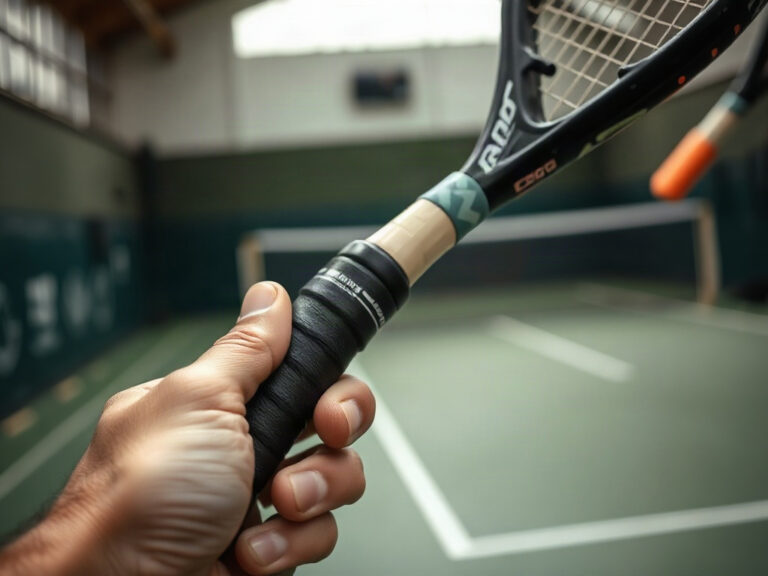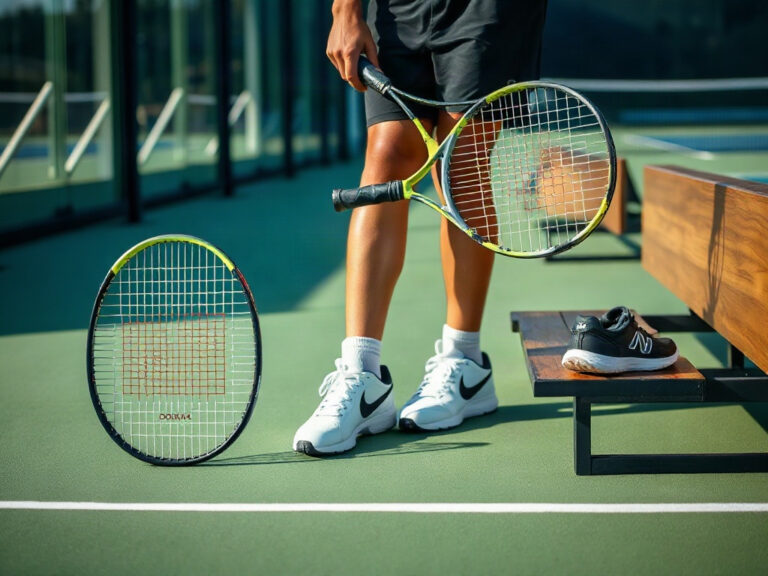
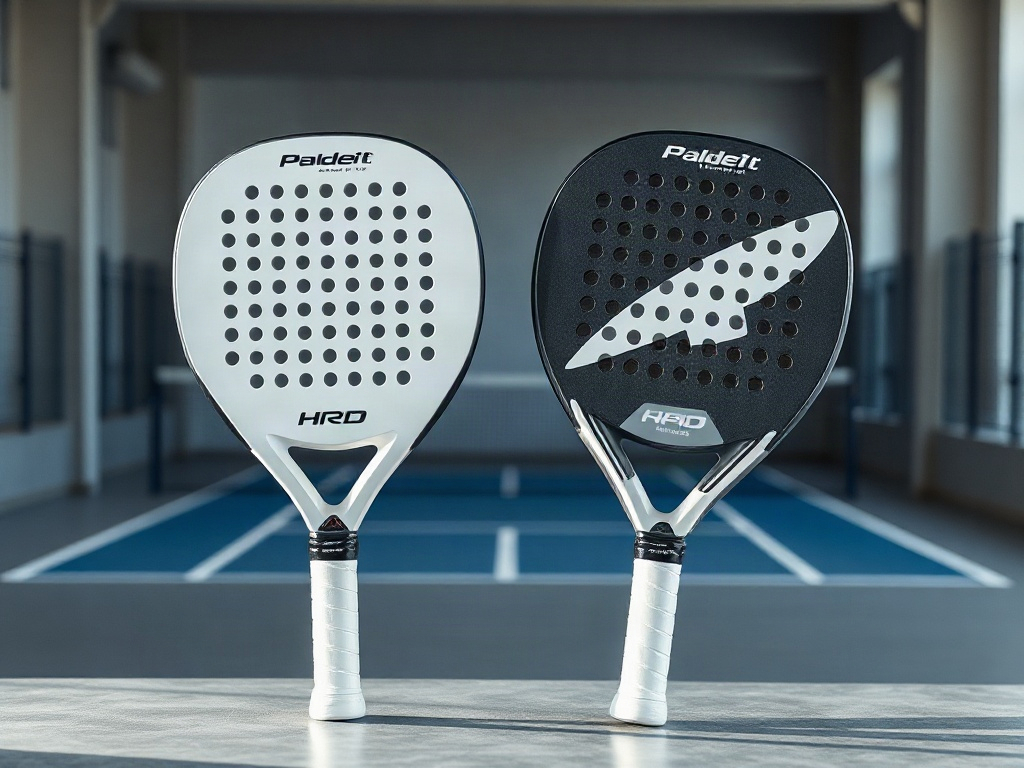

Choosing between a soft and hard padel racket is not just a matter of preference; it shapes the entire rhythm of how you play. The core density inside the racket changes how the ball leaves the face, how much vibration reaches your arm, and how much effort you need to produce quality shots. Some players want a racket that feels plush, forgiving, and easy on the body, while others want a firmer, more exact response that rewards timing and technique. This difference becomes especially important when matches get longer, pace increases, or your arm starts asking for a little mercy. If you have ever felt that one racket makes your shots seem effortless while another gives you sharper feedback on every contact, you have already experienced the soft-versus-hard debate. The right choice depends on whether you value comfort, control, power, or some carefully balanced combination of all three.
At the most basic level, soft padel rackets are designed to compress more on impact, which creates a gentler feel and often a higher level of comfort. Hard padel rackets compress less, so they tend to deliver a crisper sensation and more direct response when you strike the ball well. Neither option is universally better, because the best racket depends on your style, your technique, and your physical needs. A softer model can make defensive play and long rallies feel easier, while a harder one can sharpen placement and reward aggressive attacking shots. The real challenge is understanding how foam, comfort, control, and power interact in actual play. Once you know that, the racket choice becomes much more strategic and much less guesswork-driven.
What Makes a Padel Racket Soft or Hard?
The difference between soft and hard padel rackets begins inside the core, where the foam or EVA density determines how much the racket gives when the ball hits it. Softer cores compress more easily, which reduces shock and creates a smoother, more forgiving response. Harder cores resist compression, which gives the racket a firmer feel and a more immediate return of energy. The outer materials, shape, and balance also matter, because they influence how the racket behaves in fast exchanges and overhead shots. A soft core can feel lively and comfortable even if the racket is shaped for power, while a hard core can feel demanding even in a control-oriented frame. That is why you should never judge a racket by shape alone; the core tells a major part of the story.
Manufacturers often use different foam types, including EVA variants and softer composite blends, to fine-tune performance. A lower-density material usually creates more comfort and easier ball output, while a higher-density one produces a more precise and punchy response. In practical terms, the same swing can feel very different depending on what sits inside the racket. Players who hit with a clean, fast technique often appreciate harder setups because they can exploit the extra feedback and precision. Players who want assistance, especially on slower or off-center shots, often enjoy the forgiving nature of softer models. The subtlety here is important, because softness and hardness are not about quality in the abstract; they are about how the racket supports your game.
Soft Padel Rackets
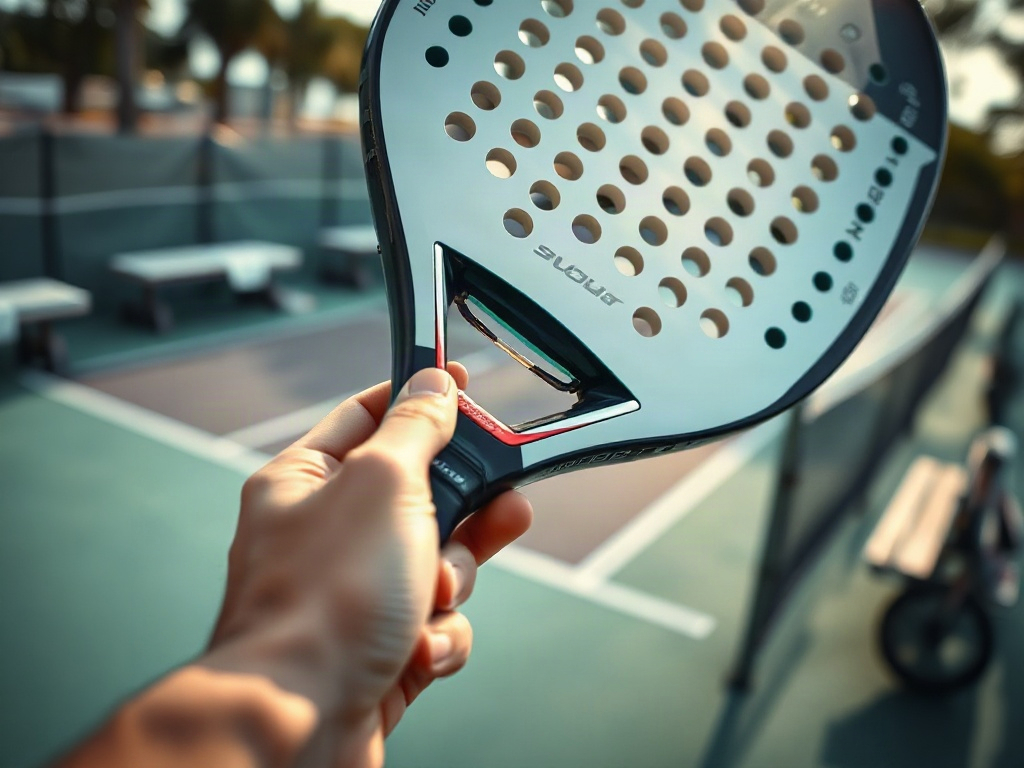
Soft padel rackets are built to feel comfortable, forgiving, and arm-friendly, especially during long sessions or high-volume play. Their lower-density core absorbs more impact, which helps reduce vibration and makes contact feel smoother. This can be a major advantage for players who do not want every shot to feel sharp or harsh through the hand and elbow. Soft rackets also tend to make it easier to generate depth and power without needing an explosive swing, because the core helps propel the ball with less effort. For many players, this creates a sensation of easy playability that improves confidence under pressure. The tradeoff is that the racket may feel less precise when you try to hit very fast, very flat, or highly technical shots.
One of the reasons soft rackets remain so popular is that they suit a wide range of players who want assistance rather than resistance. Beginners often like them because they forgive imperfect timing and off-center contact. Recreational players appreciate the comfort, especially if they play several times a week and want to avoid fatigue. Defensive players also enjoy how soft rackets can help them absorb pace and keep the ball under control during rallies. The feel is usually more muted, but that muted response can be a strength when consistency matters more than absolute sharpness. In many cases, a soft racket can feel like it is working with you instead of challenging you on every swing.
Key Advantages of Soft Rackets
Soft padel rackets stand out in several practical ways that matter on court. They are often the better choice when comfort is a priority, and they can make the game feel less physically demanding over time. Many players also find that these rackets help them stay relaxed because they do not transmit as much impact through the arm. That can be especially valuable in long matches or during recovery from overuse discomfort. The benefits become even more noticeable when rallies are extended and repeated contact starts to add up. In short, soft rackets are about ease, cushioning, and effort-saving performance.
- Better vibration absorption on impact
- More comfort during long matches and frequent play
- Easier access to power with less physical effort
- Greater forgiveness on mishits and defensive shots
- Smoother feel that can reduce arm strain
Those advantages make soft rackets especially appealing to players who want reliability without excessive physical demand. They can help you keep your swing smooth even when fatigue begins to creep in. For players who value consistency over razor-sharp precision, that balance can be ideal. The ball tends to leave the racket with a softer, more manageable response, which can make placement feel intuitive. At the same time, the racket does not punish every slight mistake in timing or contact point. That combination of comfort and forgiveness is what defines the soft category.
Who Should Choose a Soft Racket?
A soft racket is a strong option for beginners because it makes the game easier to learn and less intimidating. It also suits intermediate players who want more help with depth, comfort, and consistency without having to swing harder. If you experience elbow pain, wrist sensitivity, or general arm fatigue, a softer core can be a practical choice worth serious consideration. Defensive players often prefer the extra cushioning because it helps them reset points and absorb pace with confidence. Players who match frequently may also appreciate the reduced physical stress over time. In other words, soft rackets are a smart fit for anyone who wants playability, comfort, and a little extra assistance.
- Beginners who need forgiveness and easy ball output
- Players with elbow, wrist, or shoulder sensitivity
- Defensive or control-focused players
- Frequent players who want a more arm-friendly feel
Hard Padel Rackets
Hard padel rackets are built for players who want a firmer, more responsive feel at contact. Because the core compresses less, the racket delivers a cleaner and more immediate response when you strike the ball properly. That directness often translates into stronger feedback, which can help advanced players understand exactly what happened on each shot. The feel is usually crisp rather than cushioned, and that crispness is attractive to players who want precision and a sharper connection to the ball. Hard rackets can also feel more powerful in the hands of someone with good technique and fast swing speed. The downside is that they can be less forgiving and more demanding on the arm, especially during long sessions or on off-center contact.
Players who enjoy an aggressive style often lean toward hard rackets because they reward clean mechanics and decisive shot-making. When you hit with speed and accuracy, the racket can feel explosive and highly controlled at the same time. This makes hard models a strong option for players who like to attack the net, finish points, and place the ball with intention. They can be especially effective in advanced rallies where precision matters more than raw help from the frame. However, if your technique is inconsistent, the racket may expose that inconsistency more clearly than a softer one. That is why hard rackets are often viewed as tools for players who already know how to use them well.
Key Advantages of Hard Rackets
Hard rackets are popular because they provide a sense of authority and directness on court. The response is crisp, which many advanced players interpret as better feedback and more precise control. They tend to shine in situations where touch alone is not enough and you need a racket that responds instantly to your intention. For attacking players, this can mean cleaner volleys, sharper overheads, and more effective finishing shots. The benefits are real, but they come with the expectation that the player supplies the right technique and timing. Without that, the extra firmness can feel unforgiving rather than helpful.
- Greater precision on fast, aggressive shots
- More direct feedback for advanced players
- Sharper control for technically sound swings
- Stronger response at higher swing speeds
- Better suitability for attack-oriented play
For the right player, a hard racket can feel like an extension of the arm rather than a source of assistance. It does not mask mistakes as much, but it can make excellent shots feel exceptionally clean. That is why experienced players often appreciate the honesty of this type of racket. The feedback helps with placement, timing, and tactical execution, especially in competitive matches. Still, the same firmness that supports precision can also create more stress on the body if the player is not well adapted to it. So the hard category is best understood as performance-oriented rather than universally comfortable.
Who Should Choose a Hard Racket?
Hard rackets are generally best for players with solid technique and a clear understanding of how to generate pace and control. Advanced competitors often like them because the racket responds exactly to what they put into the shot. If you prefer a direct, crisp sensation and enjoy attacking opportunities, this type of racket can suit your game very well. It also tends to appeal to players who prioritize shot precision and fast exchanges at the net. Some players simply prefer the cleaner feedback, even if it comes with less cushioning. In short, hard rackets reward skill, confidence, and timing more than they offer comfort.
- Advanced players with consistent technique
- Attack-minded players who want precision
- Players who like a direct, crisp feel
- Competitors who value feedback over softness
Foam, Comfort, Control and Power: How They Compare
The most useful way to compare soft and hard padel rackets is to look at how they influence comfort, control, and power in real situations. Soft foam generally absorbs more impact, so it feels gentler on the arm and can make longer matches easier to manage. Hard foam usually gives more direct feedback, which helps advanced players place the ball with greater certainty. In terms of power, soft rackets often make it easier to produce depth and lift with less effort, while hard rackets reward a faster, more committed swing. Neither one automatically wins the power contest; the result depends on how much input the player can bring. This is why the racket that feels “more powerful” in one player’s hand may feel completely different in another’s.
| Performance Factor | Soft Racket | Hard Racket |
|---|---|---|
| Comfort | Higher comfort, more vibration absorption | Lower comfort, firmer impact feel |
| Control | Good control with a softer, muted feel | Excellent direct control for precise players |
| Power | Easier power with less effort | More powerful when swung fast and cleanly |
| Forgiveness | More forgiving on mishits | Less forgiving, more demanding |
| Best For | Beginners, comfort seekers, defensive players | Advanced, aggressive, and technical players |
That comparison becomes even more meaningful when you translate it into on-court behavior. A soft racket can help you survive pressure moments by making contact feel calm and manageable. A hard racket can help you execute ambitious shots with a level of precision that experienced players often crave. The key is recognizing that the best racket for comfort is not always the best racket for attacking play, and the best racket for control is not always the easiest one to use. Many players actually move between these extremes over time as their technique, confidence, and physical needs evolve. When you understand the tradeoffs, choosing becomes much more intentional and much less dependent on marketing language.
Comfort and Arm Protection
Soft rackets usually perform better when comfort is the main concern because they absorb a larger portion of the vibration produced at impact. That can make them feel kinder to the arm, especially during repeated play or when rallies are physically demanding. Players who are sensitive to shock often notice the difference quickly, even if they cannot fully describe it in technical terms. Hard rackets, by contrast, tend to transmit more of the contact sensation through the handle. That can be rewarding for feedback, but it can also feel harsher if you are not used to it. In practical terms, comfort is often the first reason players choose one side of this debate over the other.
Control and Touch
Hard rackets often provide a more precise and direct sense of touch, which can be useful when placing the ball with intention. The firmer response helps experienced players feel the contact point and manage angle changes more confidently. Soft rackets can still offer control, but the sensation is usually smoother and less exact. For some players, that softer response creates a more relaxed rhythm and better defensive control. For others, it can feel slightly less connected when trying to execute fine adjustments. This is why control is not just about the racket itself; it is also about the type of feedback a player prefers.
Power and Ball Exit
Soft rackets can create easy power because the core helps propel the ball without requiring as much force from the player. This can be particularly helpful on defensive shots, lobs, and controlled counterattacks. Hard rackets can also produce outstanding power, but usually only when the player generates speed and strikes the ball cleanly. In that sense, soft rackets offer easier access to power, while hard rackets offer more rewarding power for those who can unlock it. One is assistance-based, and the other is performance-based. That distinction is often the deciding factor for many players.
How to Choose Between a Soft and Hard Padel Racket
The smartest way to choose is to match the racket to your level, style, and physical comfort rather than chasing the most dramatic performance claim. If you are new to padel or still building confidence, a softer racket will usually make the learning process smoother and less punishing. If you already have strong timing, dependable technique, and an attacking mindset, a harder racket may feel more natural and rewarding. Injury history matters too, because elbow or wrist sensitivity can quickly turn a technically appealing racket into an uncomfortable one. Frequency of play also matters, since more court time means more accumulated stress on the body. The best choice is the one that helps your game without creating unnecessary friction.
You should also think about what you want from your shots in the moments that matter most. If you care more about easy depth, smooth defense, and a comfortable all-around feel, softness may suit you best. If you care more about direct response, sharper placement, and a firm connection to the ball, hardness may be the better route. Many players make the mistake of choosing based on what sounds impressive rather than what feels sustainable over an entire match. A racket should support your strengths and reduce the strain on your weaknesses. When it does both, the equipment stops being a distraction and starts becoming an advantage.
Before you buy, it helps to slow down and ask a few practical questions that reveal what you really need. These questions can keep you from selecting a racket that looks right on paper but feels wrong in play. They also help you narrow the decision based on real habits instead of assumptions. The more honest you are about your style and body, the better the match will be. This is where many players save themselves from expensive regret. A few minutes of reflection can do more than hours of product descriptions.
- Do I want more comfort or more precision?
- Am I looking for easy power or a direct response?
- Do I play often enough that arm comfort matters a lot?
- Is my technique consistent enough for a firmer racket?
- Do I have any history of elbow, wrist, or shoulder discomfort?
Common Mistakes When Choosing a Padel Racket
One of the biggest mistakes is focusing only on claims about power, as if more power automatically means better performance. In reality, a powerful racket that feels uncomfortable or hard to control can hurt your consistency. Another common error is ignoring vibration and arm comfort, especially among players who already feel some sensitivity during play. People also misjudge their own level and choose a racket that is too demanding for their current technique. That can lead to frustration, awkward timing, and even physical discomfort. A good racket should make your game easier to express, not harder to manage.
Another issue is choosing a racket based on what a friend uses or what a professional player endorses without considering personal fit. Elite players often have exceptional technique and the physical ability to handle a much firmer frame. Recreational players may benefit more from comfort, forgiveness, and ease of use than from maximum precision. It is also easy to overlook how a racket feels after an hour of play rather than in the first few minutes. The right racket should remain comfortable and effective as fatigue builds. That is where many buying decisions are won or lost.
Итог
Soft and hard padel rackets solve different problems, and that is exactly why the debate matters. Soft rackets emphasize comfort, vibration absorption, and easier access to power, which makes them appealing for beginners, defensive players, and anyone who wants a gentler feel. Hard rackets emphasize precision, feedback, and a more direct response, which tends to suit advanced and attack-minded players. Neither type is inherently superior, because the better choice depends on your technique, your playing style, and your physical priorities. Once you understand how foam density affects comfort, control, and power, the decision becomes much clearer. The best racket is the one that helps you play well today while still feeling good after the match ends.
Часто задаваемые вопросы
- What is the difference between a soft and hard padel racket? Soft rackets use a lower-density core that absorbs more impact and feels more comfortable, while hard rackets use a firmer core that gives a crisper, more direct response. The difference affects comfort, control, and how easily you generate power. Soft rackets are usually more forgiving, while hard rackets are usually more precise. The best choice depends on your level and playing style. Many players feel the difference immediately once they start rallying. It is one of the most important equipment decisions in padel.
- Are soft padel rackets better for beginners? Yes, soft rackets are often better for beginners because they are easier to use and more forgiving on imperfect contact. They help players produce depth with less effort and usually feel more comfortable during longer sessions. That can make learning technique less frustrating. They also reduce the harshness of off-center hits, which is useful while developing consistency. Beginners often benefit from that extra margin of error. For many new players, comfort and confidence matter more than maximum precision.
- Do hard padel rackets give more power? They can, but mainly for players who already have good technique and fast swing speed. Hard rackets reward clean contact and can produce very strong, precise shots in the right hands. However, soft rackets can feel like they offer easier power because they assist with ball output. So the answer depends on whether you mean raw potential or ease of use. Advanced players may unlock more power with hard rackets, while many others get usable power more easily from soft ones. The relationship is more nuanced than marketing often suggests.
- Which racket is better for tennis elbow or arm pain? Soft rackets are usually the better choice if you are dealing with elbow or arm sensitivity. Their cushioning effect reduces vibration and makes repeated impact feel less harsh. That does not guarantee pain relief, but it often helps reduce stress on the arm. Hard rackets tend to transmit more shock and can feel less forgiving over time. If you have existing discomfort, comfort should be a major part of your decision. In many cases, a softer core is the safer and more practical starting point.
- Can an advanced player use a soft racket? Yes, absolutely. Some advanced players choose soft rackets for comfort, defensive stability, or a smoother feel during long matches. The key is whether the racket matches their tactical preferences and physical needs. While many advanced players prefer hard rackets for precision, others value the easier playability of a softer model. Skill level does not force one exact choice. The best advanced players often choose the racket that enhances their strengths rather than following a fixed category rule.

 Christopher Martin