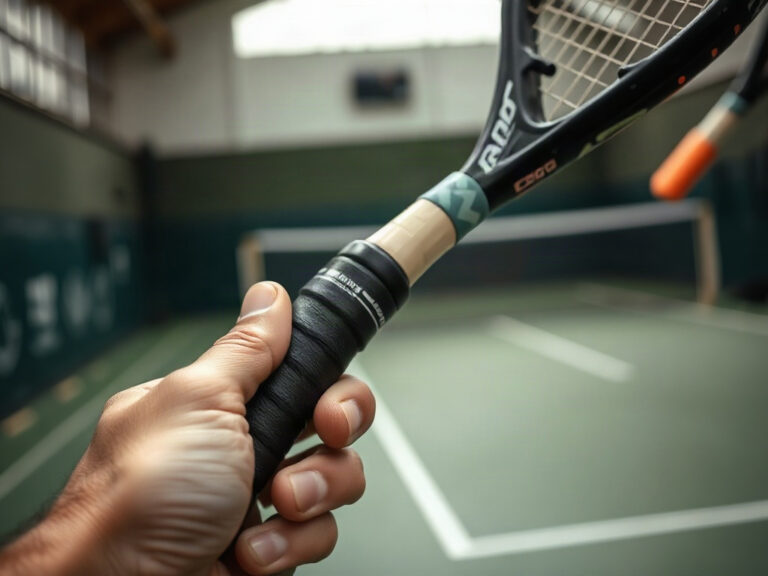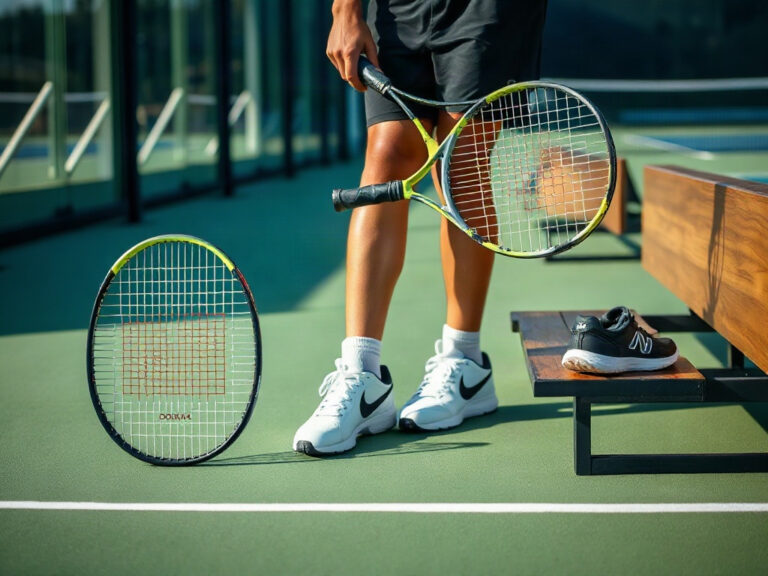
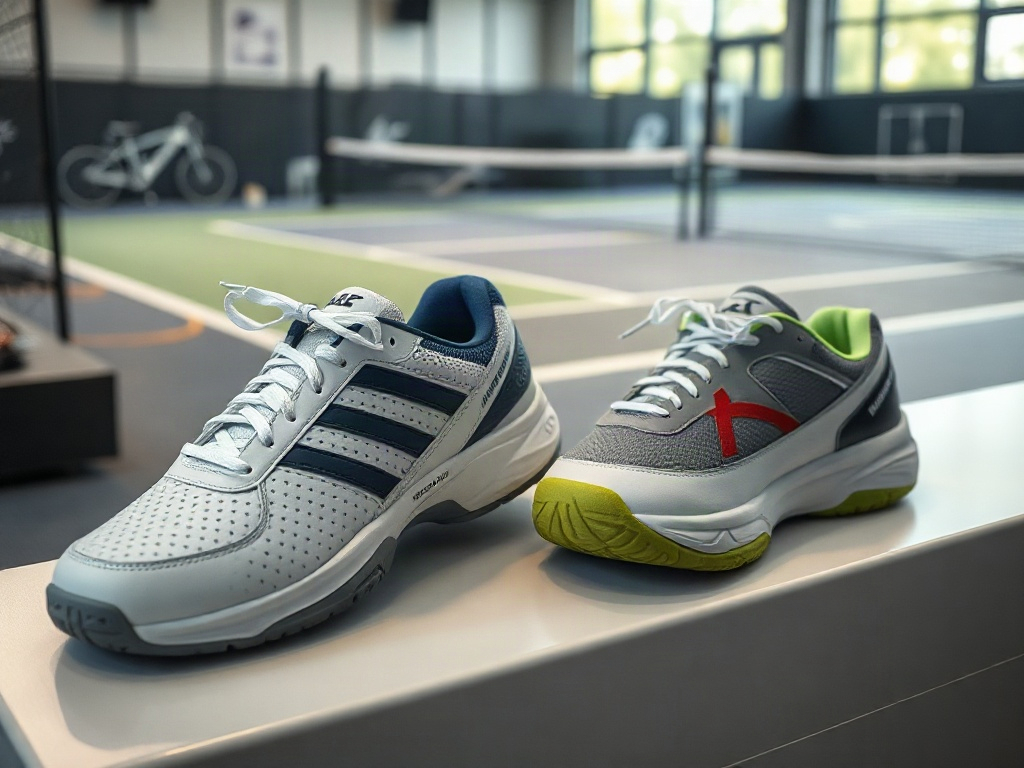

Choosing the right shoe in racquet sports is rarely just a matter of comfort, because the court under your feet changes everything. A shoe that feels excellent on one surface can feel unstable, overly sticky, or strangely slippery on another. That difference matters even more in padel and tennis, where the movement patterns may look similar from a distance but place very different demands on the body. If you have ever wondered why padel shoes and tennis shoes are not interchangeable in the same way as ordinary athletic shoes, the answer begins with grip, support, and how each sport is played. In this guide, we will look closely at those differences so you can understand what each shoe is built to do. By the end, you will know which features matter most for performance, safety, and court compatibility.
What Makes Padel Shoes Different from Tennis Shoes?
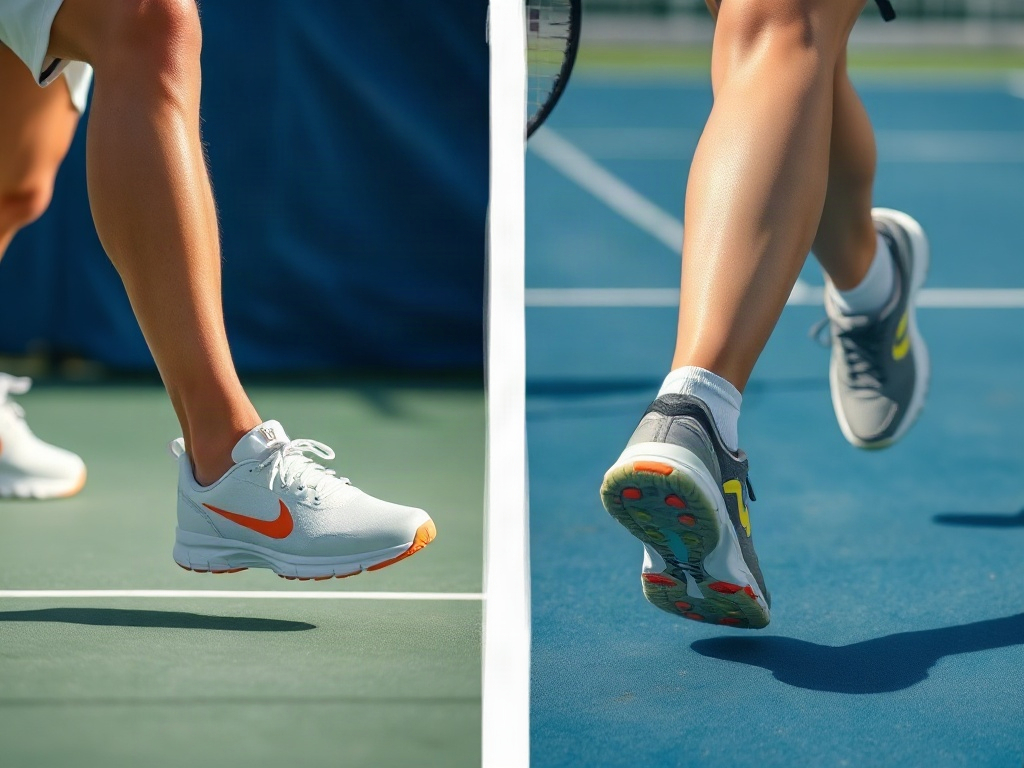
Padel and tennis may both involve fast footwork, rapid changes of direction, and frequent stops, but the way players move is not the same. Padel is played on a smaller enclosed court, which creates more reactive movement, tighter turns, and more side-to-side bursts. Tennis usually asks for longer sprints, broader coverage, and stronger braking over a larger surface. Because of that, shoe design is not simply about traction in general, but about the type of traction that best suits each sport. The outsole pattern, midsole support, and upper structure all shift depending on whether the shoe is meant for padel or tennis. That is why shoes that look similar at a glance may behave very differently once you start moving.
Padel shoes are typically designed for a court that combines artificial turf and sand, which means the outsole must balance grip with controlled sliding. Tennis shoes, by contrast, are usually made for harder, more varied surfaces such as hard court, clay, or grass. This means tennis shoes often prioritize durability and court-specific traction more aggressively across different models. Padel shoes also tend to place more emphasis on lateral reinforcement, since padel demands frequent short accelerations and stops near the glass walls. The result is a shoe that feels more tailored to compact, explosive movement. In simple terms, padel shoes are built for precision in a confined environment, while tennis shoes are designed for broader athletic coverage and surface versatility.
Typical Padel Shoe Features
Padel shoes usually include an outsole pattern that helps players maintain traction on sand-filled artificial turf without locking the foot too aggressively into the surface. Many models use a herringbone or mixed tread pattern to support both grip and slight release during movement. This matters because padel footwork often requires quick recovery after a stop, rather than the long, forceful strides common in tennis. Manufacturers also reinforce the sides of the shoe to help the foot stay stable during sharp lateral shifts. Cushioning is often tuned for repeated quick movements instead of long-distance running. As a result, the shoe feels responsive, secure, and controlled in the exact conditions found on a padel court.
Typical Tennis Shoe Features
Tennis shoes are usually built to survive more abrasion, especially from hard courts and repeated toe drag during serves, lunges, and baseline rallies. Their outsoles are often more durable and may be court-surface specific, with different tread designs depending on whether the shoe is meant for hard court, clay, or grass. Unlike padel shoes, they often place more emphasis on forward propulsion and braking. That is because tennis players cover more ground and need to stop hard after longer runs. Many tennis shoes also offer strong upper support, but the structure is frequently engineered around a slightly different movement profile. In short, tennis shoes are about resilience, court adaptability, and sustained performance over larger areas of play.
Grip: Which Shoe Performs Better on Each Court?
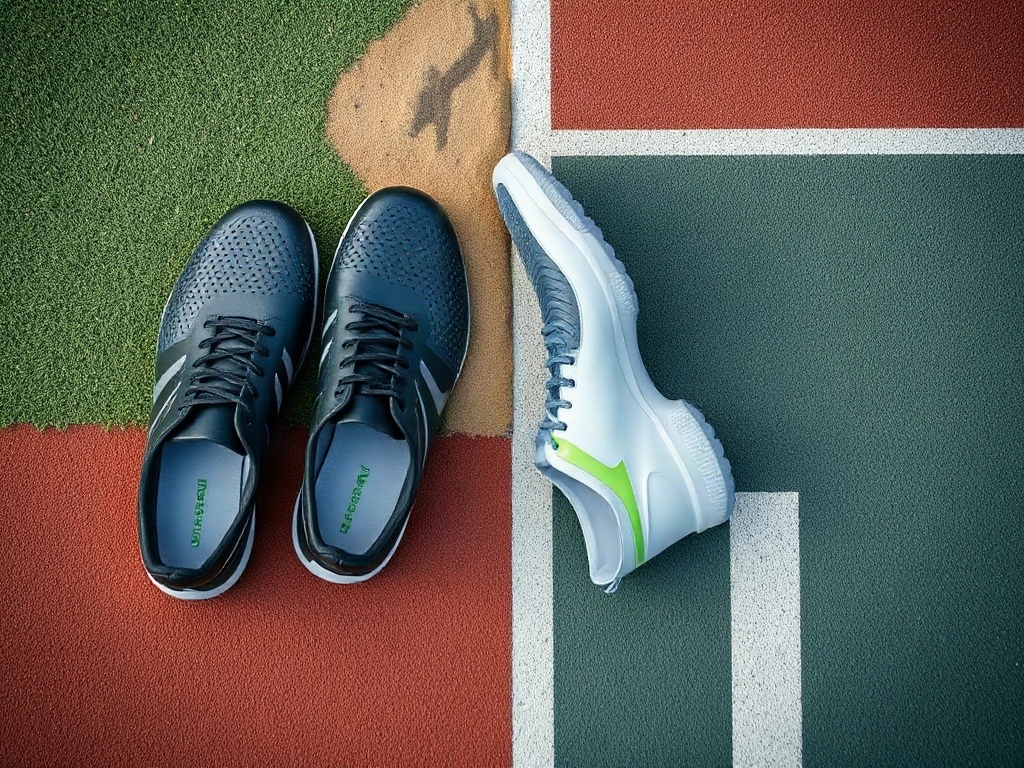
Grip is one of the first things players notice when switching between shoe types, and it can dramatically change how confident you feel on court. Too much grip can make movement feel stuck, which may stress the knees or ankles when you try to pivot. Too little grip can make you feel as if the foot slides before you are ready, which reduces power and control. In padel, the surface itself creates a very specific traction challenge because the artificial turf often contains sand that affects how the outsole interacts with the ground. In tennis, the answer depends heavily on the court surface, since hard courts, clay, and grass each reward a different kind of traction. That is why there is no single “best” grip design for all racquet sports.
Padel shoes generally perform better on padel courts because they are designed to handle the balance between gripping and releasing. The idea is not to stop your foot completely every time, but to let you change direction smoothly and recover quickly. On a padel court, excessive grip can sometimes be a disadvantage because it may interfere with the natural sliding that helps players adjust position safely. Tennis shoes can feel too rigid or too sticky on padel surfaces, especially if the outsole is optimized for a different kind of court. Likewise, padel shoes may not give the same confidence on a fast tennis court, where longer braking motions and different surface friction come into play. Matching the grip to the court is therefore not a minor detail; it is central to how the shoe performs.
- Padel shoes are usually tuned for traction on artificial turf with sand.
- Tennis shoes are often designed for surface-specific movement on hard, clay, or grass courts.
- Too much grip can increase joint stress if the foot cannot release naturally during pivots.
- Too little grip can reduce balance, control, and movement efficiency.
Padel Court Grip Requirements
Padel courts demand a very particular kind of traction because the surface is not just flat and dry like a typical gym floor. Players need enough grip to push off explosively, but they also need enough give to adjust quickly after contact with the ball or walls. Sand on the turf can change how a sole behaves, and the shoe must still keep the player stable under rapid direction changes. A padel-specific outsole helps reduce the risk of slipping during tight turns while also preventing the foot from feeling glued to the surface. This balance is especially important in defensive exchanges and net play, where tiny corrections can decide the point. If the grip is wrong, the player may hesitate, and hesitation often matters more than raw speed.
Tennis Court Grip Requirements
Tennis shoes are built with court variety in mind, which is why grip solutions differ depending on the surface. On hard courts, durability and steady braking are essential because the shoe must absorb repeated impact and still hold up over time. On clay, the outsole may be designed to help with sliding, since controlled movement is a key part of efficient play. Grass courts require a different kind of stability, often with a tread that supports quick but careful movement on a more slippery surface. The important point is that tennis shoes are optimized for a broader range of movement conditions than padel shoes. That flexibility makes them excellent for tennis, but not always ideal for padel.
Stability and Lateral Support
Stability is where the difference between the two shoes becomes even more noticeable, especially when a player is moving aggressively from side to side. Both sports require balance, but padel places exceptional stress on lateral movement because the court is smaller and the reactions are faster. Tennis also needs strong support, yet the movement is often more linear, with longer recoveries and more sprinting coverage. A shoe that feels stable in one sport can feel incomplete in the other if the support structure does not match the movement pattern. For this reason, the midfoot, heel, and side panels deserve attention when comparing models. Stability is not just about comfort; it is a key factor in injury prevention and movement confidence.
Padel players often benefit from extra lateral reinforcement because the sport constantly asks them to shift weight abruptly while staying close to the walls and glass. That means the foot needs to stay secure inside the shoe even when the body is reacting to a fast return or a tight angle. A secure fit in the midfoot and heel can help reduce unwanted twisting and internal foot movement. Tennis shoes also offer support, but the emphasis may be different depending on the model and the court surface. Some tennis shoes prioritize forward stability and impact absorption, while others are built for more all-around multi-directional movement. The best choice depends on how and where you play, not just on whether the shoe feels padded or firm in the store.
- Padel shoes often use stronger side support for repeated lateral pushes.
- Tennis shoes may prioritize forward motion, braking, and court-length coverage.
- A secure heel counter helps keep the foot locked in during sudden stops.
- Midfoot stability can reduce excessive twisting during fast direction changes.
Comparing Court Compatibility
Many players ask whether they can use one shoe for both sports, and the honest answer is that it depends on how often you play and on what surface. In casual situations, crossover use may be acceptable, especially if the intensity is low and the court conditions are forgiving. But if you play regularly, the wrong shoe can compromise grip, comfort, and durability in ways that become obvious very quickly. The clearest issue is that the outsole design is usually optimized for a specific surface and movement profile. A shoe may technically fit both environments, but still fail to perform well in either one at a serious level. Compatibility is therefore less about possibility and more about performance trade-offs.
| Feature | Padel Shoes | Tennis Shoes |
|---|---|---|
| Primary surface | Artificial turf with sand | Hard court, clay, or grass depending on model |
| Grip style | Balanced traction with controlled sliding | Surface-specific traction and braking |
| Lateral support | Very strong for quick side-to-side movement | Strong, but often tuned for broader court movement |
| Durability focus | Moderate abrasion resistance | High abrasion resistance on tennis surfaces |
| Best use | Dedicated padel play | Dedicated tennis play |
If you are deciding between the two, think first about where the shoe will spend most of its time. Padel shoes may work for light tennis sessions, but the outsole and support profile are not usually ideal for repeated tennis movement. Tennis shoes may function on a padel court, yet they can feel less responsive and may not provide the same controlled traction. The difference becomes more noticeable as intensity increases, because the shoe is asked to absorb more force and react faster. In that sense, the “wrong” shoe is not necessarily unusable, but it may quietly limit your performance. The more you play, the more those small compromises tend to matter.
- Use padel shoes for padel whenever possible to maximize traction and stability.
- Use tennis shoes for tennis to match the court surface and movement pattern.
- Cross-use is more acceptable for occasional, low-intensity play than for regular competition.
- If you play both sports often, consider owning a separate pair for each one.
Durability and Comfort Considerations
Durability is another area where the difference between padel shoes and tennis shoes becomes clear after several sessions. Tennis shoes are often exposed to more constant abrasion, especially if a player drags the toe during serves or slides on hard surfaces. Padel shoes experience their own wear patterns, but the demands are more about repeated lateral stress and court-specific traction rather than heavy surface grinding. Comfort also plays a major role because a shoe that feels soft at first may not remain supportive during long matches. Breathability, cushioning, and fit all influence how fresh and stable the foot feels over time. A comfortable shoe is not just nicer to wear; it helps you move more efficiently and confidently.
When evaluating comfort, it is useful to think beyond the first impression in the shop. A shoe that hugs the foot too loosely may allow sliding inside the shoe, which can reduce control and increase friction. A shoe that is too rigid may feel secure but can limit natural movement and make longer sessions tiring. The best fit usually combines firm lockdown with enough flexibility for quick athletic response. Padding around the collar and tongue can improve comfort, but it should not overpower the shoe’s structural support. If you play often, the right balance between comfort and performance matters more than any single feature on its own.
How to Choose the Right Shoe for Your Playing Style
The smartest choice starts with how often you play and what kind of movement your game demands. If you play padel regularly, a dedicated padel shoe is usually the safest and most efficient option. If your tennis sessions are frequent and competitive, a tennis shoe matched to your court surface will likely deliver better durability and traction. Players who split their time between both sports should be especially cautious, because no single outsole is perfect for every surface. It also helps to consider whether you are a more explosive mover, a baseline grinder, or a player who relies on quick reaction and tight angles. Once you understand your style, the shoe becomes a tool rather than just an accessory.
Before buying, pay attention to the fit, the outsole pattern, and the kind of court you use most often. Try the shoes on if possible, and test how stable they feel when you shift weight laterally and brake suddenly. Pay attention to heel security and midfoot lockdown, because these areas often reveal whether the shoe is truly suited to your movement. If you have a history of ankle or knee discomfort, stability and grip balance become even more important. It is also wise to think about replacement timing, since worn outsoles can change the shoe’s behavior long before the upper looks damaged. The best shoe is the one that matches your court, your pace, and your physical needs.
- Choose based on your primary court surface first.
- Match the outsole to the sport you play most often.
- Test lateral stability, heel lockdown, and comfort before buying.
- Replace shoes when traction or support starts to break down.
Итог
Padel shoes and tennis shoes may look similar, but they are built around different movement realities. Padel shoes prioritize traction on artificial turf, lateral support, and controlled release for compact, explosive movement. Tennis shoes focus more on surface-specific durability, stronger braking, and broader court coverage. If you choose based only on appearance, you may end up with a shoe that feels fine for a few minutes but underperforms when the match gets intense. The safest and most effective approach is to match your footwear to the sport, the court, and the way you actually move. That is how you get better grip, better stability, and better overall performance.
Часто задаваемые вопросы
- Can I wear tennis shoes for padel?
Yes, but they may not provide the ideal grip or lateral stability for padel-specific movement, especially on sand-filled artificial turf. - Can I wear padel shoes for tennis?
Sometimes, but they may wear out faster and may not perform as well on tennis court surfaces, particularly during hard braking and longer rallies. - Which shoe has better grip for artificial turf?
Padel shoes are generally better because they are designed specifically for the traction needs of padel courts. - Are padel shoes more stable than tennis shoes?
They are typically designed with stronger lateral support for the quick side-to-side movement that is common in padel. - What is the biggest difference between padel and tennis shoes?
The biggest difference is the outsole and support structure, both of which are tailored to the movement patterns and court surfaces of each sport.

 Christopher Martin