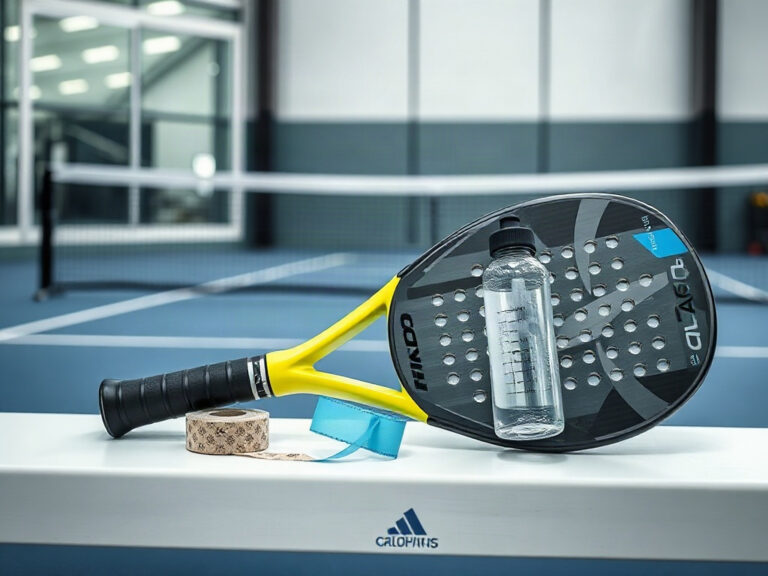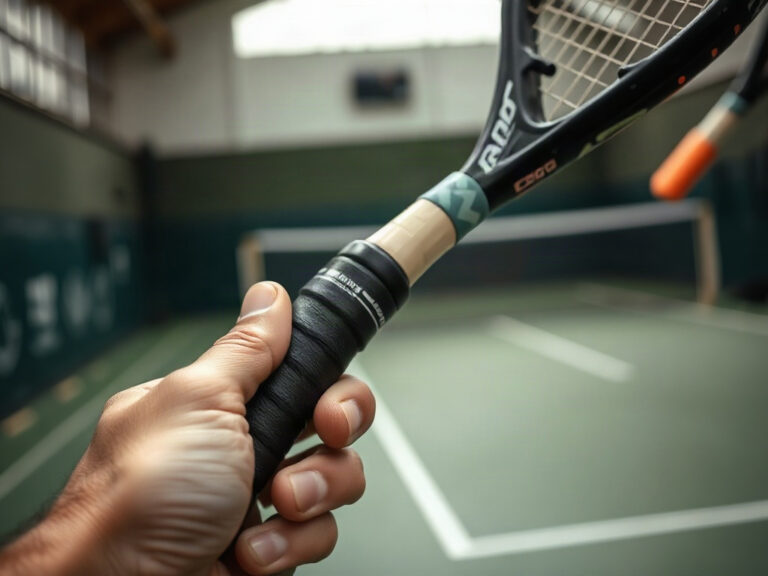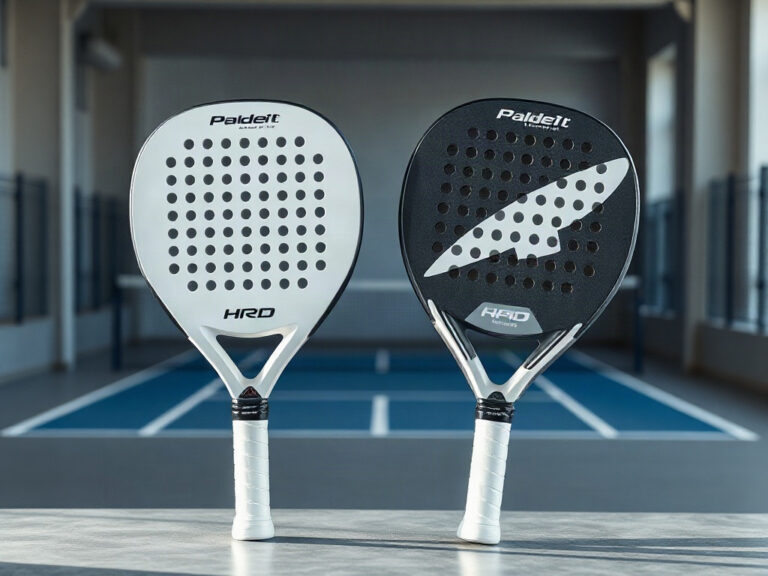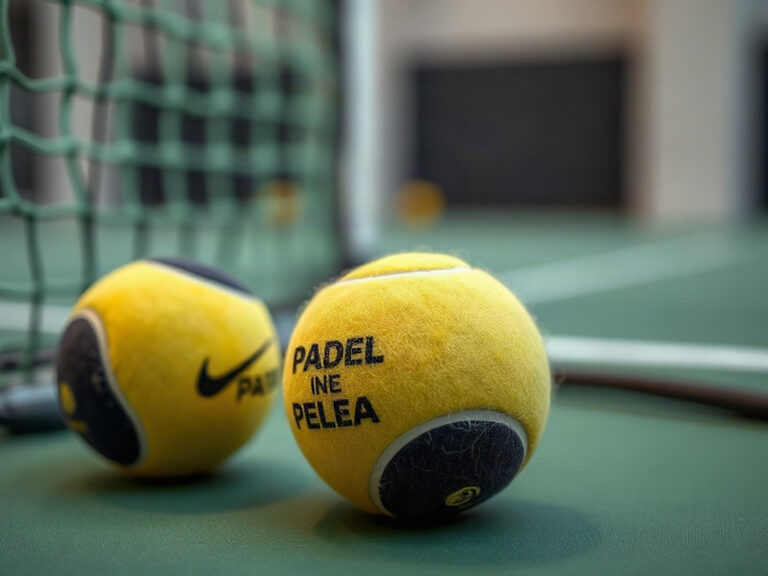
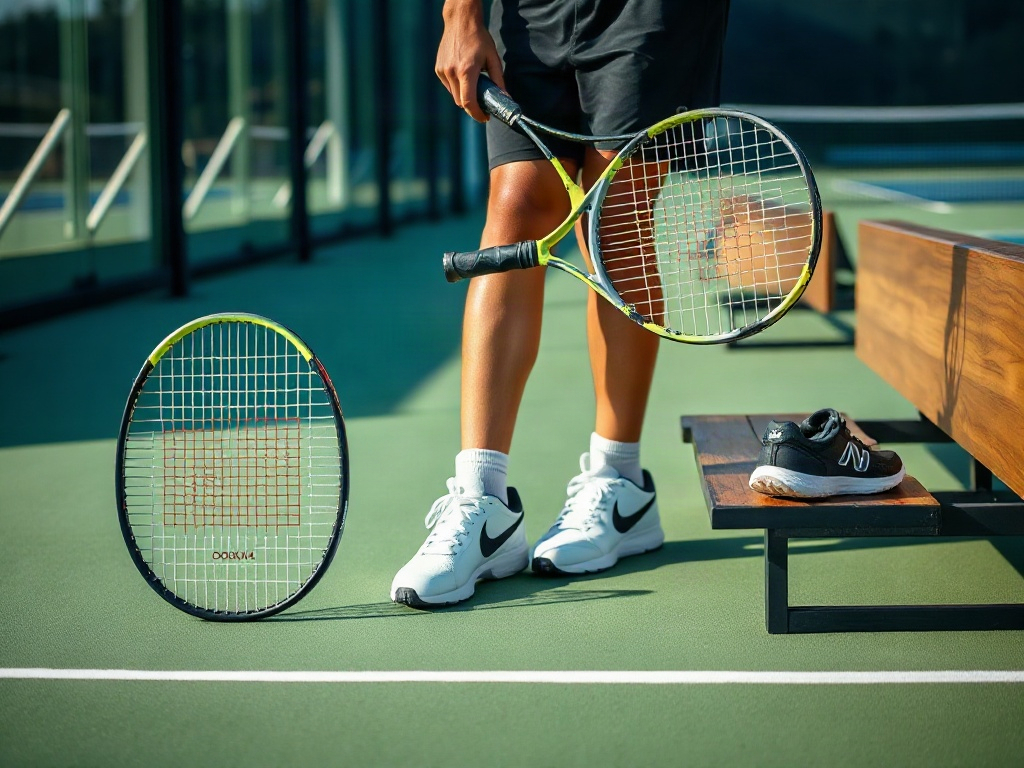

Shopping for padel gear is rarely just about finding something that looks good on the shelf. The right racket and the right shoes can change how confidently you strike the ball, how smoothly you move across the court, and how fresh your body feels after a long match. padel mesh is often part of the broader conversation around quality court gear, especially when players want equipment that feels reliable, responsive, and built for performance. But because rackets and shoes influence very different parts of the game, comparing them properly takes more than a quick glance at the label. You need to think about how each item fits your playing style, your movement habits, and your level of experience. When you do that, your purchase becomes less of a gamble and more of a deliberate upgrade.
Many buyers make the mistake of focusing only on brand reputation or a popular model recommendation. That approach can work sometimes, but it often leads to equipment that feels wrong once you actually step on court. A racket can be powerful yet uncomfortable, or a shoe can be stable but too stiff for your movement pattern. The smartest way to buy is to compare the features that matter most to performance and comfort, then weigh them against your own needs. In other words, you are not simply buying gear; you are building a setup that supports your game. That mindset makes every comparison more useful and every choice easier to justify.
Understanding the Basics of Padel Gear
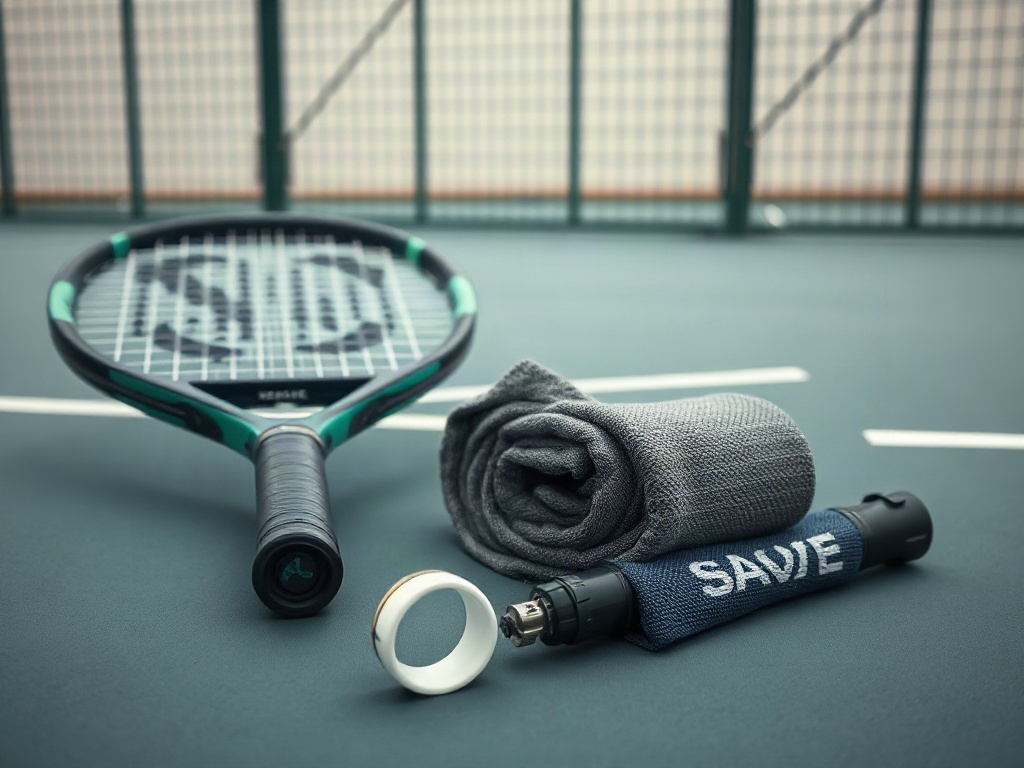
Before comparing specific models, it helps to understand what each piece of padel gear is designed to do. A racket mainly shapes how you hit the ball, how much control you have, and how much power you can generate with each stroke. Shoes, on the other hand, influence how safely and efficiently you move, stop, pivot, and recover during rallies. These roles are connected, but they are not interchangeable, which is why comparing them requires different criteria. Once you separate their functions in your mind, product descriptions become easier to read and evaluate. That clarity can save you both money and frustration.
Players at different stages of development also need different levels of forgiveness, support, and responsiveness. A beginner usually benefits from a more forgiving racket and a comfortable shoe with dependable traction. An intermediate player may want a more balanced setup that supports faster progression without being overly specialized. Advanced players often look for precision and performance features that suit an aggressive or highly technical style. Since your equipment should match the way you actually play, your comparison process should start with honest self-assessment. That small step often leads to better purchases than any flashy specification sheet.
Why Comparing Padel Rackets and Shoes Matters
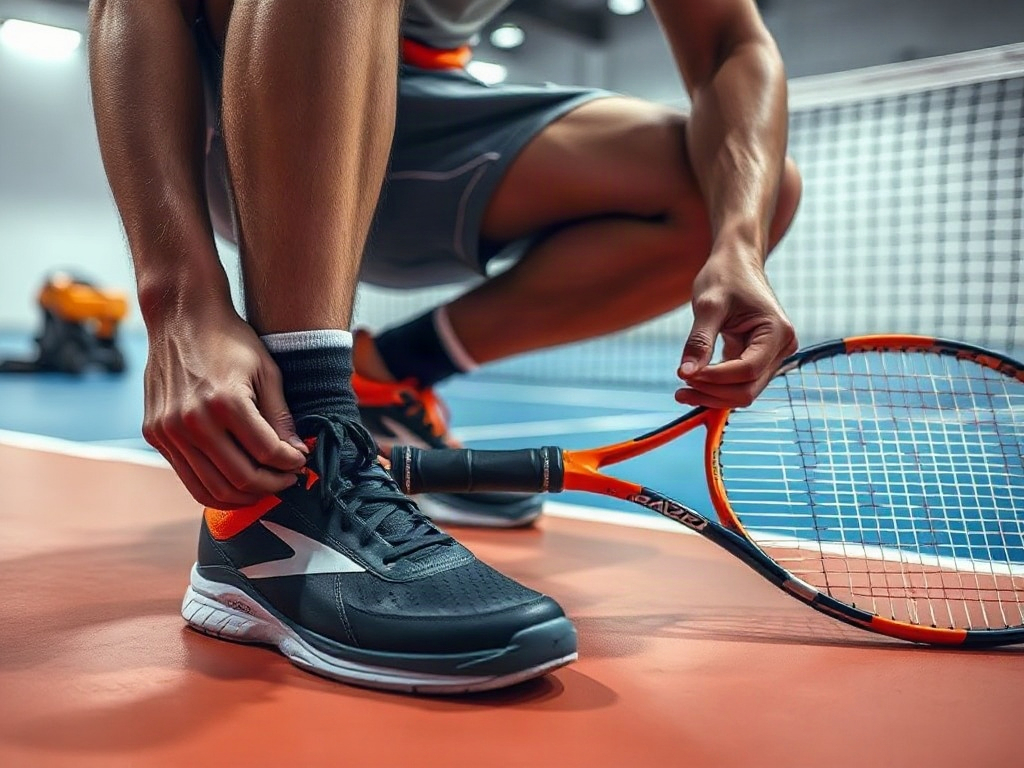
Comparing padel rackets and shoes before buying is about more than finding the best deal. It helps you reduce the risk of discomfort, underperformance, and unnecessary replacements later on. A well-matched racket can make your strokes feel cleaner and more controlled, while the right shoes can improve balance and reduce strain during fast movements. Together, they influence how long you can maintain intensity in a match. They also affect your confidence, which is one of the most underrated parts of performance. When gear feels right, you tend to play more freely and make decisions faster.
This matters even more if you play regularly or plan to improve quickly. Equipment that looks perfect on paper may still feel wrong in actual use if it does not suit your body mechanics. For example, a racket with too much head weight may feel tiring during long sessions, and shoes with poor lateral support may make you hesitate on aggressive direction changes. Good comparison habits help you avoid those hidden costs. They also make it easier to upgrade strategically as your game evolves. Instead of replacing gear at random, you can refine it with purpose.
How to Compare Padel Rackets
Comparing padel rackets starts with understanding how different design choices shape performance on court. The best racket for one player may feel completely wrong for another, even if both are at a similar level. That is why it is better to evaluate several features together instead of obsessing over only one. Shape, balance, weight, and materials all interact to produce the final feel of the racket. When those elements align with your style, your shots become more natural and repeatable. When they clash, even a high-end model can feel awkward.
Shape and Balance
Racket shape is one of the most visible differences, but it is also one of the most important. Round rackets typically offer a larger sweet spot and more control, which makes them appealing for beginners and players who value consistency. Teardrop shapes usually create a more versatile feel, combining control and power in a balanced way. Diamond-shaped rackets often emphasize attacking power, but they can be less forgiving and more demanding to use well. Balance also matters because it changes how the racket feels in motion. A head-heavy racket may generate more power, while a handle-heavy option often feels easier to maneuver.
Weight and Maneuverability
Weight affects not only how hard you can strike the ball but also how quickly you can react in fast exchanges. A lighter racket is generally easier to swing, especially at the net or during defensive recovery shots. Heavier rackets may provide extra stability and a stronger feel on impact, but they can also demand more from your arm and shoulder. This is why the ideal weight depends on your strength, endurance, and technique. A player who values quick reactions may prefer something lighter, while another player may choose a heavier feel for added solidity. The best choice is the one you can control comfortably throughout an entire match.
Materials and Core Construction
The materials used in the frame, face, and core can dramatically change the playing experience. Softer constructions often provide more comfort and a more forgiving response, which can be helpful for players still developing clean contact. Stiffer rackets tend to feel more precise and energetic, especially in the hands of experienced players who can control them well. The core also influences how the racket absorbs impact and returns energy to the ball. Because of this, two rackets with similar shapes can still feel totally different in practice. Paying attention to construction details helps you avoid buying based on appearance alone.
| Racket Feature | What It Affects | Best For |
|---|---|---|
| Round shape | Control, forgiveness, sweet spot size | Beginners and control-oriented players |
| Teardrop shape | Balanced performance | All-around players |
| Diamond shape | Power and attacking play | Advanced offensive players |
| Lighter weight | Maneuverability and speed | Players who want quick handling |
| Heavier weight | Stability and power | Players who prioritize impact strength |
Skill Level and Playing Style
Your skill level should strongly influence your racket choice. Beginners usually do better with forgiving models that make it easier to find the sweet spot and maintain control. Intermediate players may prefer a more versatile racket that supports both defense and attack without being too specialized. Advanced players often know exactly whether they want more power, more precision, or a particular feel at contact. Your playing style matters just as much as your level because some players naturally build points through placement, while others rely on aggressive finishing. The right racket should support what you already do well and reduce the weaknesses that slow you down.
When comparing rackets, it helps to create a simple checklist before you buy. That keeps emotions from taking over and gives you a more rational way to compare options side by side. Use the following points as a practical filter:
- Does the racket feel comfortable in your hand during longer sessions?
- Is the sweet spot large enough for your current consistency level?
- Does the balance support your preferred style of play?
- Will the weight feel manageable after many rallies?
- Does the construction match your need for control, power, or balance?
How to Compare Padel Shoes
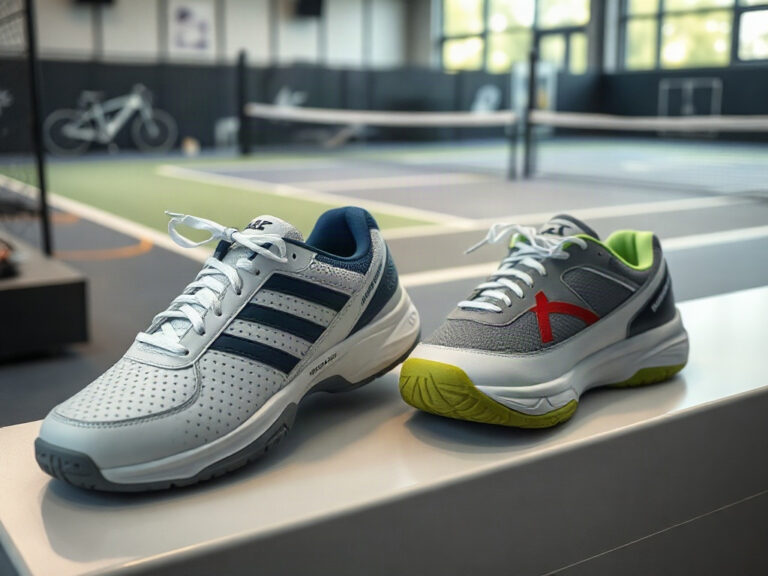
Padel shoes deserve just as much attention as rackets because they affect how safely and effectively you move on court. The sport requires frequent side steps, sudden stops, quick pivots, and sharp recoveries, so ordinary athletic shoes are often not enough. The ideal padel shoe should support those movements without feeling bulky or restrictive. Comfort is important, but it should never come at the expense of grip or stability. When shoes perform well, your footwork becomes more efficient and your confidence grows. That can have a noticeable effect on your overall level of play.
Sole Type and Court Grip
The outsole pattern is one of the first things to check when comparing padel shoes. Herringbone and hybrid soles are popular because they offer dependable traction while still allowing controlled movement on court surfaces. Good grip helps you explode into position and stop without sliding unpredictably. At the same time, a sole that is too sticky may make some movements feel restricted. The right outsole depends on the type of court you play on most often and how much slide you prefer. Matching sole design to your environment is one of the easiest ways to improve shoe selection.
Cushioning and Stability
Cushioning matters because padel involves constant repetitive impact, especially during training sessions and long matches. Enough cushioning can reduce fatigue and help your joints feel better after play, but too much softness may make the shoe feel unstable. Stability features are equally important because they help protect your foot during quick lateral motions and sudden direction changes. A good padel shoe balances both qualities without leaning too far in either direction. If you value responsiveness, you may prefer a firmer ride. If comfort is your top concern, more cushioning may be worth the trade-off.
Fit, Breathability, and Comfort
Fit is personal, and it can completely change how a shoe performs for you. A snug fit helps prevent the foot from sliding inside the shoe, which improves control and reduces the risk of blisters. Breathable materials also make a meaningful difference, especially in warm conditions or during extended sessions. Shoes that trap too much heat can become distracting and uncomfortable very quickly. The right pair should feel secure from the first wear without needing a long break-in period. If possible, always consider how the shoe feels after movement, not only while standing still.
Durability and Support Features
Durability is especially important for players who train often or move aggressively on court. Reinforced toe zones, strong side panels, and durable outsoles can extend the useful life of your shoes significantly. Support features also matter because they help stabilize the foot during repeated lateral stress. A shoe that breaks down too quickly may cost more in the long run, even if the initial price looks appealing. That is why it makes sense to look beyond the design and inspect the build quality carefully. A long-lasting shoe is often a better value than a cheaper one that wears out quickly.
- Check whether the outsole matches your main court surface.
- Test how secure your heel feels during lateral movement.
- Look for toe reinforcement if you drag your foot often.
- Choose breathability based on climate and match length.
- Prioritize stability if you play with explosive direction changes.
Key Differences Between Padel Rackets and Shoes to Consider
Rackets and shoes should never be judged using the same standards because they serve very different purposes. A racket is about striking efficiency, ball response, and the feel of each shot, while shoes are about movement, balance, and protection. That distinction matters because the wrong comparison method can lead you to emphasize features that do not really help your game. For example, a highly technical racket may be impressive but unnecessary for a recreational player. Likewise, a premium shoe may offer features you will not fully use if your sessions are short and infrequent. Understanding this difference helps you spend money where it matters most.
The practical comparison approach is simple: evaluate rackets for hitting performance and shoes for movement performance. Then think about how often you play, how hard you train, and where you need the most support. If your footwork is already strong, you may want shoes that emphasize comfort and durability. If your strokes are still developing, a more forgiving racket can help you build confidence. This kind of split thinking makes your decision more accurate. It also prevents you from overbuying in one category while underinvesting in the other.
Common Mistakes to Avoid When Buying Padel Gear
One of the biggest mistakes buyers make is choosing equipment based only on popularity. A model that works well for a pro or an influencer may not suit your body, your style, or your experience level. Another common error is ignoring comfort until after the purchase, which often leads to regret once the gear is used in real matches. Some players also buy shoes that look fast and aggressive but lack the support they actually need. Others choose a racket that feels powerful in theory but becomes tiring within a short time. Smart buying comes from balancing features, not chasing the flashiest option.
- Do not buy a racket that is too advanced for your current level.
- Do not ignore fit just because the shoe has a strong reputation.
- Do not assume more power automatically means better performance.
- Do not choose based only on appearance or color.
- Do not forget to consider how often you actually play.
Tips for Choosing the Right Padel Racket and Shoes Together
The best gear choices work together instead of competing for your attention. If you play often, it makes sense to prioritize comfort, durability, and reliability across both categories. If you are improving quickly, you may want a racket that supports your developing technique and shoes that keep up with more intense movement. Matching the two also helps you avoid imbalances in your setup, such as a demanding racket paired with unstable footwear. A well-matched combination can make your sessions feel smoother and more efficient. That harmony often matters more than any single feature on its own.
It can also help to think about your typical match environment before you buy. Outdoor courts, indoor courts, and frequent tournament play may all call for slightly different priorities. If you struggle with arm fatigue, a more forgiving racket may be the better investment. If your feet feel tired or unstable, better shoes may deliver a bigger improvement than a new racket. In many cases, the right choice is not about selecting the most expensive product, but the most compatible one. Compatibility is what turns equipment into an advantage.
Итог
Comparing padel rackets and shoes before buying is one of the smartest ways to improve both comfort and performance on court. It helps you choose gear that matches your level, supports your movement, and fits the way you actually play. Rackets should be judged by shape, balance, weight, and construction, while shoes should be evaluated by sole grip, stability, fit, and durability. When you compare each item on its own terms, the buying process becomes clearer and far more effective. The result is not just better equipment, but a better playing experience. In padel, that difference can be felt from the first rally.
Часто задаваемые вопросы
- What should I look for first when buying a padel racket?
Start with shape, weight, and balance because those features most directly affect control, power, and handling. - How do I know if a padel shoe fits correctly?
It should feel secure around the heel, comfortable in the forefoot, and snug enough to prevent sliding without feeling tight. - Are expensive padel rackets always better?
No. The best racket is the one that fits your skill level, playing style, and comfort needs. - Can I use regular tennis shoes for padel?
You can, but padel shoes are usually better because they are built for lateral movement and court-specific traction. - What is the most important factor when comparing padel shoes?
Sole grip and stability are often the most important because they help you move safely and confidently during play.

 Christopher Martin